Indoor Air Quality Guides for Singapore Homes & Offices
Practitioner-reviewed guides covering symptoms, formaldehyde, VOC removal, ventilation, materials, and workplace hygiene. Every guide is reviewed by certified UC Fresh Air technicians and benchmarked against current WHO, NEA, and IARC guidance.
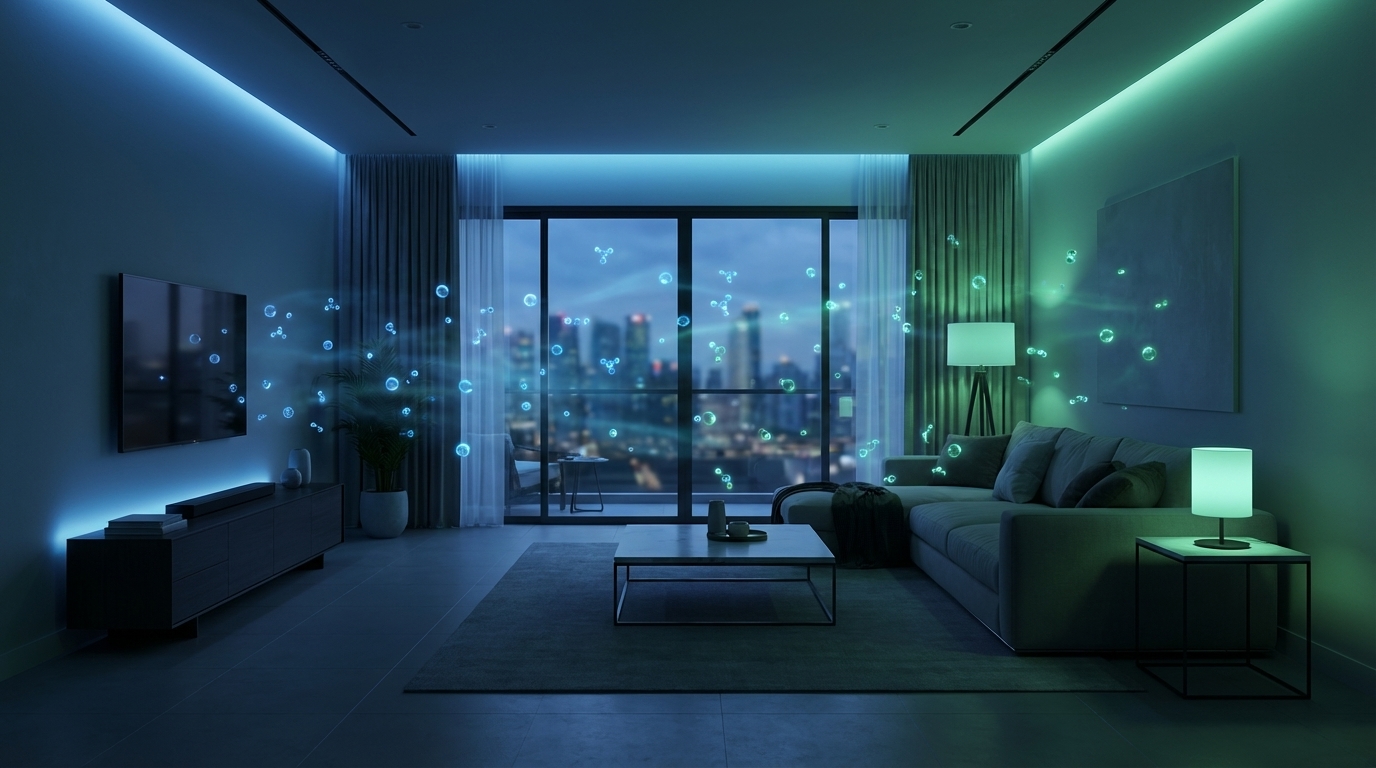
Indoor air quality, written for tropical Singapore
UC Fresh Air's indoor air quality guides cover the full picture of what makes Singapore homes and offices either healthy or symptomatic: body symptoms, formaldehyde and VOC chemistry, renovation materials, ventilation, and commercial hygiene. Every guide is reviewed by our certified IAQ technicians and benchmarked against current WHO Indoor Air Quality Guidelines, IARC carcinogen classifications, Singapore NEA workplace IAQ guidance, and ATSDR toxicological profiles.
Singapore homes face indoor air challenges that overseas guides do not capture. Tropical heat doubles the emission rate of formaldehyde from urea-formaldehyde resin for every 7°C rise in temperature. Year-round aircon-on, windows-shut sleeping accumulates VOCs and CO₂ in sealed bedrooms over 7 to 9 hours every night. HDB and BTO floor plans concentrate built-in carpentry per square metre at significantly higher density than markets with larger homes. These factors are baked into every guide below.
Browse by category, by symptom, or scroll to the latest published. Every post links to source documentation and includes a clear DIY-first action plan before any service recommendation.
Five curated guide categories
Each category is a dedicated topical hub with its own intro, sources, and reviewed-by stamp.
Symptoms
Coughing, headaches, eye irritation, fatigue, asthma flares: diagnose what indoor air does to your body and what to do about it.
See all symptoms guidesIndoor Air Quality
Pregnancy, infants, pets, ventilation, humidity, mould, testing. The full picture of indoor air quality in tropical Singapore.
See all indoor air quality guidesFormaldehyde Guides
HCHO chemistry, photocatalytic decomposition, residential and commercial removal, and how to read your indoor formaldehyde readings.
See all formaldehyde guides guidesWorkplace Hygiene
Office disinfection, antibacterial coatings, ULV fogging, after-incident response. Hygiene infrastructure for Singapore commercial premises.
See all workplace hygiene guidesMaterials & Renovation
E0 vs E1 boards, MDF vs plywood, IKEA off-gassing, vinyl flooring VOCs, and the eight questions to ask your interior designer.
See all materials & renovation guidesNo posts found for this category.
Editorial standards for our indoor air quality guides
Who reviews UC Fresh Air indoor air quality guides?
What sources are these indoor air quality guides based on?
How often are the guides updated?
Are these guides specific to Singapore?
Is this content marketing or genuine expertise?
Can I cite these guides in my own article or report?
Page reviewed by UC Fresh Air's certified indoor air quality technicians. Last updated 29 April 2026. Editorial standards, source citations, and review cadence are aligned with current WHO Indoor Air Quality Guidelines, NEA workplace IAQ guidance, and IARC carcinogen classifications. About UC Fresh Air.
Worried About Your Indoor Air Quality?
Get a free site inspection and air quality assessment. We'll show you exactly what's in your air — and how to fix it.