Antibacterial Coating in Singapore — VLAG Antimicrobial Surface Protection
Our antibacterial coating service in Singapore applies VLAG — a Japanese-developed photocatalytic antimicrobial treatment using silver ions and visible-light activation — that neutralises bacteria and viruses on contact. Transparent, odourless, and giving offices, schools, childcare centres, clinics, and homes across Singapore continuous surface protection long after one-off disinfection wears off.

What Is VLAG Antibacterial Coating?
VLAG is an advanced photocatalytic antibacterial coating that harnesses visible light to continuously break down bacteria, viruses, and organic pollutants on coated surfaces.
Unlike traditional disinfectants that only work at the moment of application, VLAG creates a persistent antimicrobial shield that remains active long after application. The coating is transparent, odourless, and safe for all indoor environments.
Developed and tested to meet rigorous safety and efficacy standards, VLAG coating is ideal for high-traffic areas including offices, schools, childcare centres, clinics, and residential homes.
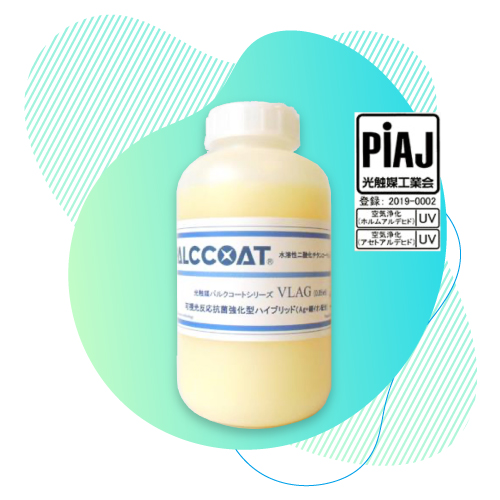
Why VLAG Silver-Ion Coating Outperforms One-Off Disinfection
Silver ions plus visible-light photocatalysis give Singapore offices, schools, and homes continuous antimicrobial protection — not a one-day clean that wears off by tomorrow.
Fights H1N1 & Influenza
VLAG coating has been tested and proven effective against H1N1 influenza virus and other common pathogens, providing robust protection for your family and employees.
Silver Ion Technology
Incorporates silver ions with well-documented antimicrobial properties. Silver ions disrupt the cellular processes of bacteria and viruses, neutralising them on contact.
Visible Light Activated
Unlike UV-dependent photocatalysts, VLAG is activated by ordinary visible light — meaning it works continuously under normal indoor lighting conditions, day and night.
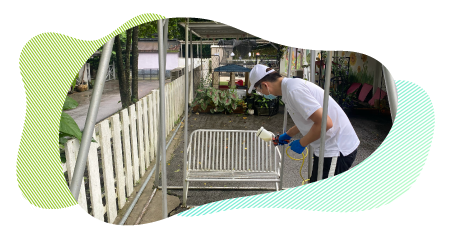
How VLAG Coating Works — Continuous Visible-Light Activation
VLAG coating works through a photocatalytic reaction. When indoor light hits the coated surface, it triggers a process that generates reactive oxygen species (ROS) which destroy bacteria, viruses, and organic pollutants on contact.
Does not alter the appearance or texture of any surface
Remains effective for months after a single application
Non-toxic and safe for homes with children and pets
Effective against bacteria, viruses, fungi, and allergens
What VLAG Coating Protects Against: H1N1, MRSA, E. coli & More
Laboratory testing confirms VLAG antibacterial coating's activity across the most common pathogens found on Singapore indoor surfaces.
Enveloped Viruses
Independently tested against H1N1 influenza. Documented activity against enveloped viruses, including coronaviruses, through silver-ion disruption of the viral envelope.
Gram-Positive Bacteria
MRSA (methicillin-resistant Staphylococcus aureus) and Staphylococcus species are neutralised on contact via silver-ion interference with cell-wall function.
Gram-Negative Bacteria
E. coli and Salmonella — the leading causes of foodborne contamination on Singapore F&B surfaces — are inactivated by the photocatalytic reaction.
Fungi and Mould Spores
The reactive oxygen species (ROS) generated under ambient light break down fungal spores on walls, ceilings, and humid-room surfaces.
Continuous 24/7 Action
Because the coating keeps working every time visible light hits it, pathogens landing on coated surfaces are neutralised long after the last deep clean.
Independently Tested
VLAG has been tested at accredited laboratories against international antimicrobial standards. We provide documentation for facility compliance and tender submissions.
Where to Apply Antibacterial Coating — Offices, Schools, Clinics, Childcare
Every vertical has its own high-touch surfaces and compliance profile. Here is where VLAG antibacterial coating earns its keep across Singapore.
CBD Offices and Co-working Spaces
Hot-desking, shared meeting rooms, lift lobbies, pantries, and restroom fittings are the highest-transfer zones. Office antibacterial treatment keeps protection active between cleans without relying on daily team discipline.
Schools, Kindergartens and Primary Classrooms
Desks, door handles, handrails, toys, and restroom fittings see heavy young-child contact. School antimicrobial coating is a long-standing request from MOE-aligned operators and international schools across Singapore.
Childcare Centres (ECDA-licensed)
Play mats, nap areas, feeding surfaces, toilet training areas. Childcare antimicrobial coating is applied during term breaks with full safety documentation for ECDA compliance files.
Clinics, Dental and Specialist Medical Offices
Consultation rooms, reception counters, waiting areas, and shared equipment. Clinic surface protection supplements MOH hygiene protocols without interrupting patient flow.
Gyms and Fitness Studios
Equipment handles, mats, locker rooms, shared showers. Gym antibacterial coating is an everyday marketing asset — members see the difference and stay longer.
Hotels and Serviced Apartments
Guest room remote controls, light switches, door handles, dining surfaces. Hotel antimicrobial coating backs up housekeeping standards with continuous microbial protection.
Restaurants, Cafés and Retail
POS terminals, shared menus, checkout counters, cashier zones. F&B operators layer VLAG coating onto their existing SFA hygiene protocols.
HDB Flats and Condo Homes
Kitchen counters, bathroom taps, door handles, children's bedrooms. Transparent antibacterial coating for homes is especially common in households with newborns, toddlers, or immunocompromised family members.
Antibacterial Coating for Singapore Homes
Residential antibacterial coating covers the surfaces hands touch all day — without changing how your home looks.
High-touch zones
Door handles, kitchen counters, bathroom taps, dining tables, remote controls, appliance buttons — VLAG coating is transparent and does not change the look or feel.
Households that benefit most
Homes with newborns, toddlers, elderly family members, immunocompromised residents, or pets spend the highest day-time hours in these spaces.
Between deep cleans
Deep cleaning and disinfection work when they happen. Antibacterial coating keeps working in between — continuous microbial control without daily effort.
For newly renovated HDB, BTO, and condo homes, most clients book our formaldehyde removal services for new BTO or HDB homes in the same visit as antibacterial coating — treating off-gassing and surface microbes in one appointment.
Antibacterial Coating vs Deep Disinfection: When to Use Each
These two services solve different problems. Most of our Singapore clients book both — here's how to tell which you need first.
Deep Disinfection — for "right now"
- •Immediate microbial knockdown with QAC chemistry
- •Best for confirmed illness, post-outbreak, pre-event
- •Effect is single-point — rebound begins as surfaces are re-contaminated
- •Recurring for ongoing coverage
Antibacterial Coating — for "every day after"
- •Long-lasting disinfection — months of continuous action per application
- •Best for high-traffic environments and everyday prevention
- •Activated by normal indoor lighting — no user behaviour required
- •Annual re-application for heavy-traffic zones
The combined approach: book our QAC deep disinfection service in Singapore for an immediate reset after an outbreak, then apply antibacterial coating on the same visit so the clean surface stays protected. This is the most common scope we run for schools, clinics, and F&B operators.
Antibacterial Coating Cost & Longevity in Singapore
Real pricing depends on the real space. We quote after a free on-site inspection so the number is accurate to your square footage, surface count, and re-coat schedule.
What shapes the price
Total surface area, number of rooms, access during off-hours, and whether we're coating only high-touch zones or full interiors.
How long it lasts
High-traffic schools, gyms, and childcare — yearly re-coat recommended. Offices, clinics, and retail — every 12 to 18 months. Light-traffic interiors and homes — longer.
What's included
Surface preparation, spray application, dwell-time management, post-application documentation, and a written report for your facility compliance records.
Our 5-Step Antibacterial Coating Application Process
A documented application sequence for every VLAG antibacterial coating job across Singapore — from site assessment through to post-application verification.

Site Assessment
Our certified surveyor evaluates your space

Air Quality Testing
Precise measurement of current air quality levels

Indoor Treatment
Specialized coating and layering application

Air Purification
Treatment spray and ventilation to eliminate VOCs

Post-Treatment Testing
Re-test to show measurable improvement
Antibacterial Coating FAQs
What is VLAG antibacterial coating?
Where can antibacterial coating be applied?
How long does the antibacterial coating last?
Is the coating safe around children, pregnant women, and pets?
Does it work against viruses including coronaviruses?
How long does application take?
Is antibacterial coating different from regular disinfection?
Does antibacterial coating work in rooms with no windows?
Can antibacterial coating be applied over existing paint, wallpaper, or finishes?
Is VLAG coating suitable for MOH clinics and SFA food premises in Singapore?
How often should Singapore schools and childcare centres re-coat?
Can I combine antibacterial coating with formaldehyde removal for a new BTO?
Related Indoor Air Quality Services
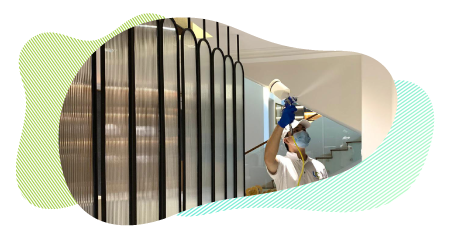
Formaldehyde Removal Services
Named service packages (Essential, Standard, Premium) that decompose formaldehyde (HCHO) and TVOCs at the source for newly renovated HDB flats, BTO units, condos, landed homes, and offices. Includes pre and post-treatment readings, 1-year guarantee.
See formaldehyde removal services →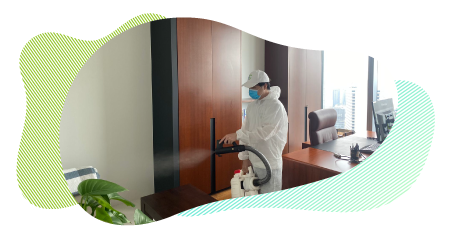
Deep Disinfection
Professional QAC-based deep disinfection with ULV fogging and electrostatic application. Kills bacteria in 1 minute, deactivates coronaviruses in 30 seconds. For offices, clinics, F&B, schools across Singapore.
Book QAC deep disinfection →Page reviewed by UC Fresh Air's certified indoor air quality technicians. Last updated 29 April 2026. VLAG coating efficacy claims, antimicrobial test results, and safety data are reviewed against current Singapore Ministry of Health guidelines and product H1N1 / E. coli / S. aureus laboratory test reports. About UC Fresh Air.
Further Reading on Antibacterial Coating & Hygiene
Protect Your Space With VLAG Antibacterial Coating
Book a free site inspection and learn how continuous antimicrobial coating keeps your office, school, childcare centre, clinic, or home protected between deep cleans.