Formaldehyde Removal in Singapore — HCHO & TVOC Treatment for HDB, BTO, and Offices
Our formaldehyde removal service in Singapore uses Japanese photocatalytic decomposition to permanently break down HCHO and TVOCs from newly renovated homes and offices — not mask the smell. Every treatment includes on-site air quality testing with pre- and post-remediation readings for your HDB, BTO, condo, or landed property.
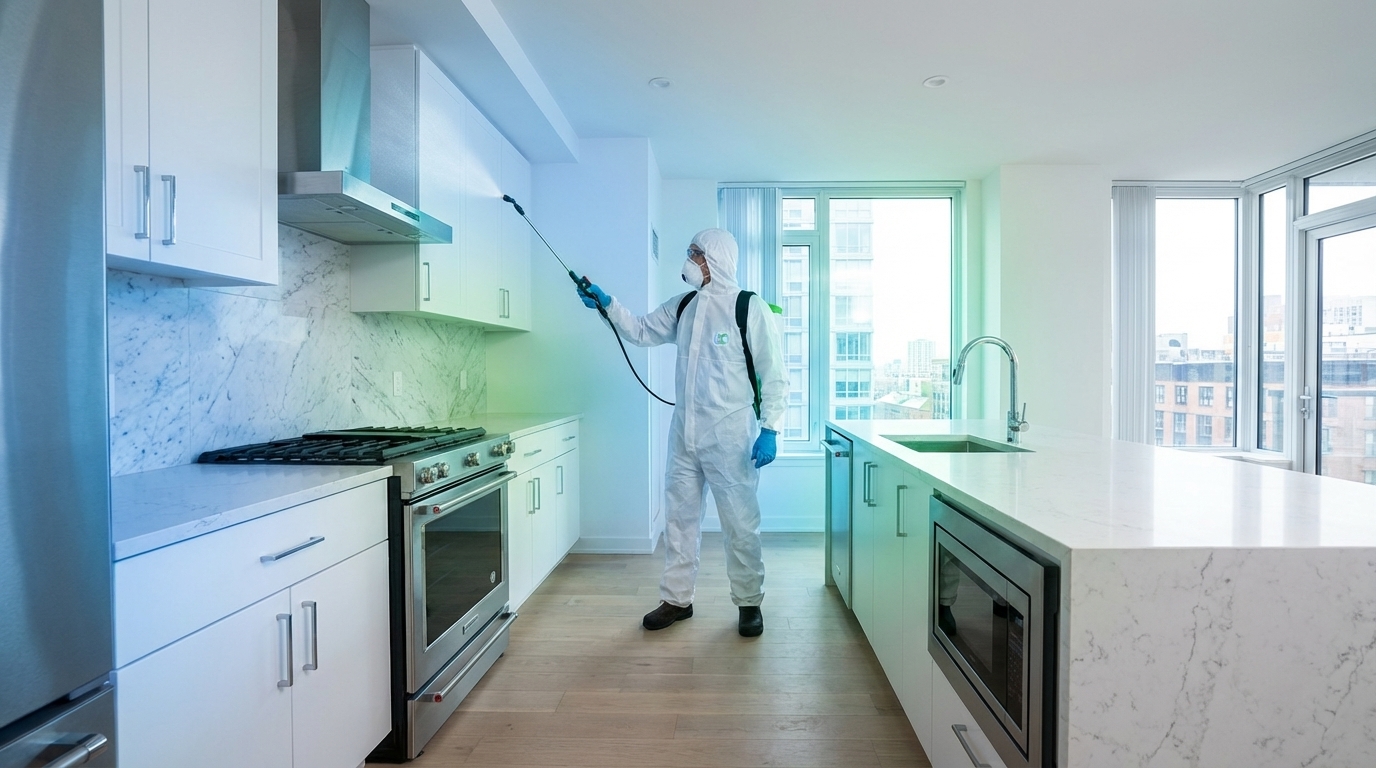
What is Formaldehyde and Why It Matters in Singapore Homes
Formaldehyde (HCHO) is a colourless, strong-smelling gas classified as a Group 1 carcinogen by the World Health Organization's IARC. It is one of the most common volatile organic compounds found in newly renovated homes and offices — and the primary reason homeowners seek professional formaldehyde removal services.
TVOCs (Total Volatile Organic Compounds) are a broad category of carbon-based chemicals that easily evaporate at room temperature. They include benzene, toluene, xylene, and hundreds of other compounds that off-gas from building materials and furnishings.
Both formaldehyde and TVOCs are commonly found at elevated levels in newly renovated spaces. Without professional formaldehyde treatment, it can take 3 to 15 years for these pollutants to fully off-gas on their own — making HCHO removal essential for any newly renovated property.
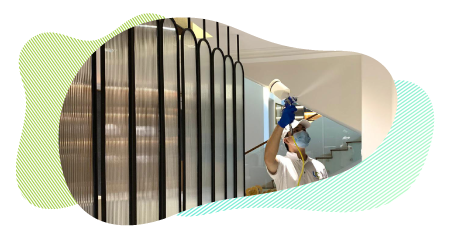
Common Sources of Formaldehyde and TVOCs After Renovation
In Singapore homes and offices, the "new house smell" after renovation is a cocktail of HCHO and VOCs released from these everyday materials — each one off-gassing for years without intervention.
Pressed-Wood Products
Plywood, particleboard, MDF, and laminated flooring contain formaldehyde-based adhesives that off-gas for years.
Glues & Adhesives
Construction adhesives, wood glue, and tile cement used during renovation release formaldehyde and other VOCs.
Fabrics & Upholstery
Curtains, carpets, sofas, and mattresses are often treated with formaldehyde-based wrinkle-resistant finishes.
Paints & Coatings
Interior paints, varnishes, lacquers, and wood stains emit high levels of TVOCs during and after application.
Insulation Materials
Spray foam insulation and fibreglass insulation batts can contain urea-formaldehyde resins.
Renovation Works
Any major renovation introduces a surge of VOC-emitting materials all at once, creating dangerous concentration levels.
Health Effects of Exposure
Prolonged exposure to formaldehyde and TVOCs can cause a range of symptoms, from mild discomfort to serious health conditions.
Short-Term Exposure
- Eye, nose, and throat irritation
- Headaches and dizziness
- Nausea and fatigue
- Skin rashes and allergic reactions
- Difficulty breathing and coughing
Long-Term Exposure
- Chronic respiratory issues
- Weakened immune system
- Damage to liver and kidneys
- Increased risk of nasopharyngeal cancer
- Neurological effects and memory problems
Children, the elderly, and pregnant women are especially vulnerable to the effects of formaldehyde and TVOCs. If you have recently renovated, professional treatment is strongly recommended.
Who Needs Formaldehyde Removal? BTO, HDB, Condo & Office Owners
If you fit any of these profiles, a formaldehyde treatment in Singapore will measurably improve the air you breathe every day.
BTO Owners Collecting Keys
New BTO flats arrive with fresh paint, floor tiles, built-in carpentry, and freshly glued laminates — every surface is emitting HCHO from day one. We treat your BTO before move-in so your first night sleeps in clean air.
Resale HDB After Hacking & Redo
Major HDB renovations reintroduce off-gassing even if the flat is decades old. Any new carpentry, repainting, or flooring restarts the formaldehyde clock — book formaldehyde removal HDB treatment once the contractor is out.
Condo Owners with New Furniture
IKEA, showroom, and custom carpentry are the biggest sources in most condos. Even a furniture refresh without renovation can push indoor HCHO above WHO thresholds. Our condo formaldehyde removal treats the sources in-place.
Landed Homes and GCBs
Landed properties with large renovation scopes carry the heaviest source density. We handle landed home formaldehyde across terrace houses, semi-D, and Good Class Bungalows, quoted by furniture density not just floor area.
CBD Offices After Fit-Out
New office fit-outs concentrate plywood, glue, and freshly installed carpets in a sealed, air-conditioned space. We treat CBD offices and co-working spaces overnight or across a weekend so you reopen to clean air.
Childcare and Pre-School Operators
ECDA-licensed childcare centres regularly book formaldehyde treatment before licensing inspections and after refurbishments. The children most affected by HCHO are the ones spending hours a day in these spaces.
Landlords Preparing Units
Landlords in HDB and condo markets use pre-lease formaldehyde treatment as a differentiator for renting to families with young children and professionals who prioritise indoor air quality.
Families with Newborns or Pregnant Residents
The most urgent bookings we take. Japanese photocatalytic coatings are water-based and pregnancy-safe — we treat your space well before the delivery date or move-in so the nursery is ready.
Anyone Who Smells the "New House Smell"
If you can still smell the renovation, the off-gassing is still happening. That smell is primarily formaldehyde and TVOCs — our treatment eliminates the source, not just the scent.
Formaldehyde Testing in Singapore: What We Measure
Every formaldehyde removal service starts with on-site testing. Our team uses a calibrated HCHO photoionization detector to map the actual formaldehyde levels in your space, not estimate them from a showroom spec sheet.
We sample in the rooms that matter most: master bedrooms, built-in wardrobes, kids' rooms and nurseries, kitchens with carpentry, and any enclosed space where new materials are concentrated. The readings are put against the WHO 0.1 mg/m³ formaldehyde guideline and Singapore's NEA indoor air guidance, so you can see exactly where your home sits.
Consumer-grade HCHO detectors sold online can flag a problem but vary significantly in accuracy. For decisions involving pregnancy, newborns, young children, or a home purchase, lab-grade testing is the responsible baseline — and we include it free with every treatment booking, or quote it standalone if you just want an indoor air test in Singapore.
Book a free indoor air quality assessment in Singapore 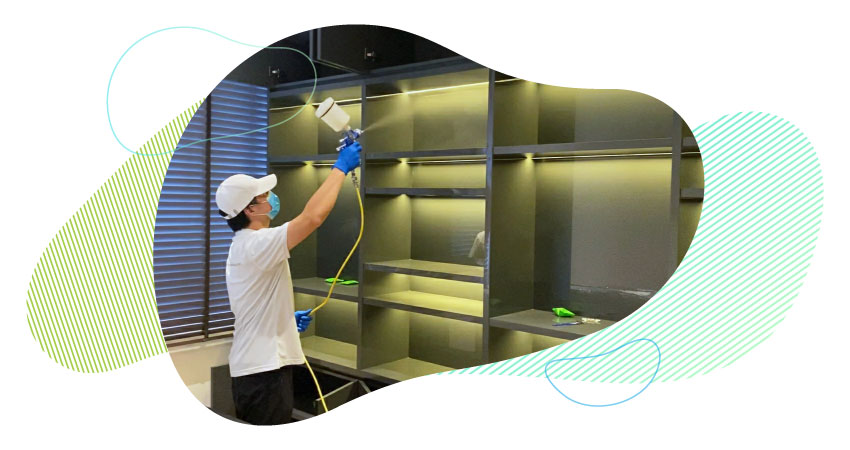
How Our Japanese Photocatalytic Treatment Works
At UC Fresh Air, our formaldehyde removal services use environmentally friendly cleaning products imported from Japan that are specifically formulated to neutralise formaldehyde and TVOCs at the molecular level.
Our products are lab-tested and certified safe for use around children, the elderly, and pets. Unlike air fresheners or ozone generators that merely mask odours, our indoor formaldehyde removal treatment permanently breaks down the harmful compounds.
Every formaldehyde treatment service includes pre- and post-testing with calibrated instruments so you can see the measurable difference in your air quality.
Our 5-Step Formaldehyde Removal Process
A proven, documented approach that every Singapore formaldehyde treatment follows — from the free site assessment through to the post-treatment air quality readings.

Site Assessment
Our certified surveyor evaluates your space

Air Quality Testing
Precise measurement of current air quality levels

Indoor Treatment
Specialized coating and layering application

Air Purification
Treatment spray and ventilation to eliminate VOCs

Post-Treatment Testing
Re-test to show measurable improvement
Is It Safe? Pregnancy-, Baby-, and Pet-Safe Treatment
The chemistry behind our formaldehyde removal treatment is water-based, food-safe rated in Japan, and used routinely in Singapore childcare centres — the same environments where toddlers eat, nap, and play.
Pregnancy-safe
Many of our bookings come from expecting mothers treating the nursery before the baby arrives. The coating is non-toxic once cured; re-entry is safe after a 2-hour ventilation cycle.
Baby- and child-safe
Used in ECDA-licensed childcare centres and primary schools. The same water-based chemistry is applied in rooms where children eat, sleep, and play within hours of treatment.
Pet-safe
For households with cats, dogs, small animals, and birds — pets can return to the treated area alongside humans after the ventilation cycle. No quarantine or relocation required.
Pets and children do need to be kept out of the treated area during the 4-to-8-hour application window — not because the product is toxic, but because the technicians need clear working space and the surfaces must be undisturbed while the coating cures. Once the ventilation cycle completes, everyone returns to a room with measurably lower formaldehyde readings than when we arrived.
Formaldehyde Removal Cost in Singapore
Every formaldehyde removal price in Singapore is quoted after a free on-site assessment — because real pricing depends on the actual space, not a template.
What shapes the quote
- •Floor area and room count — 3-room HDB, 4-room HDB, 5-room, condo, landed, and office tiers
- •Furniture density — more built-in carpentry, pressed-wood, and upholstery means more source material
- •Access and scheduling — overnight or weekend slots for commercial premises carry different logistics
- •Scope — whole-home, per-room, or focused on specific spaces like nurseries
What's included in every quote
- ✓Pre-treatment HCHO testing with a calibrated photoionization detector
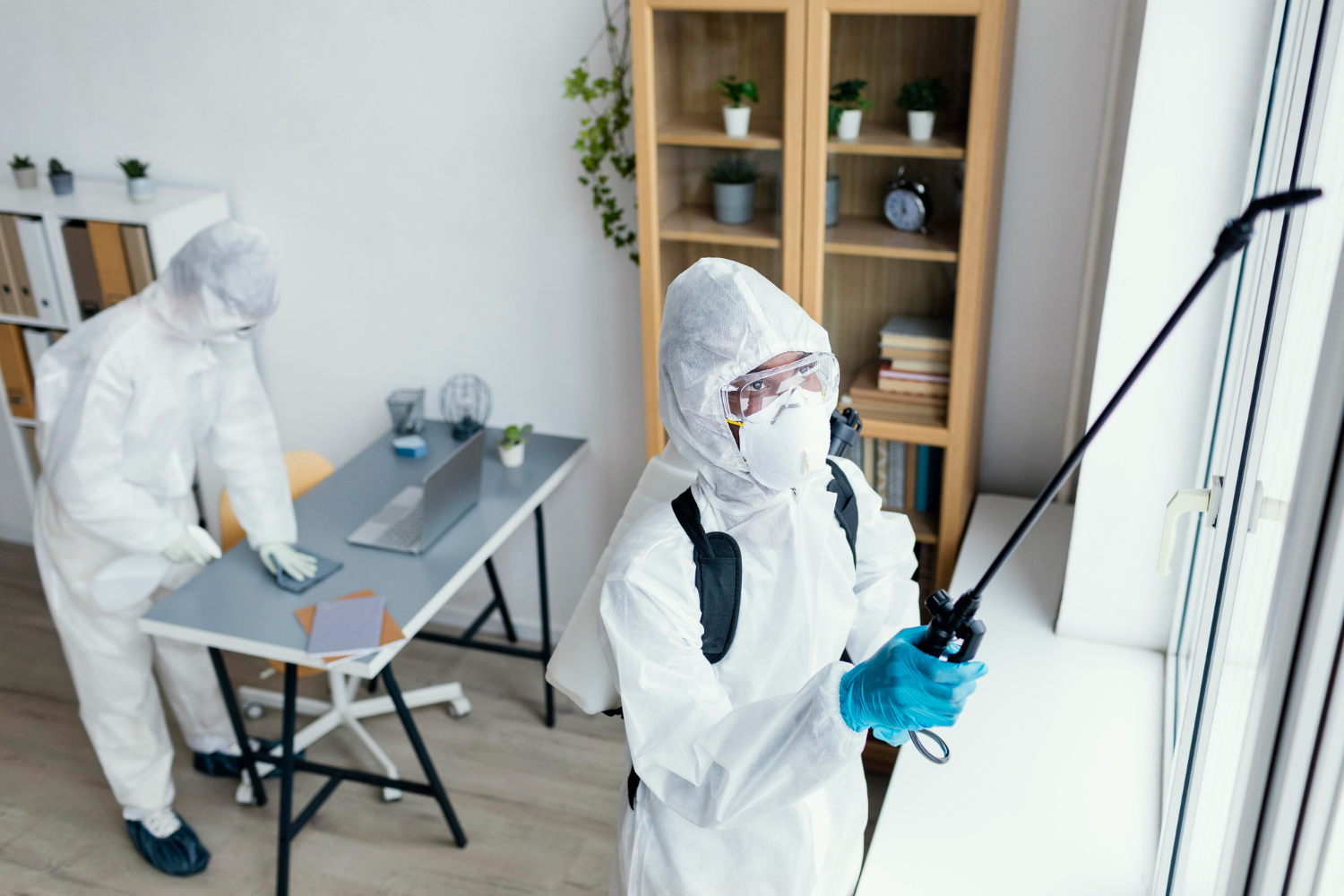
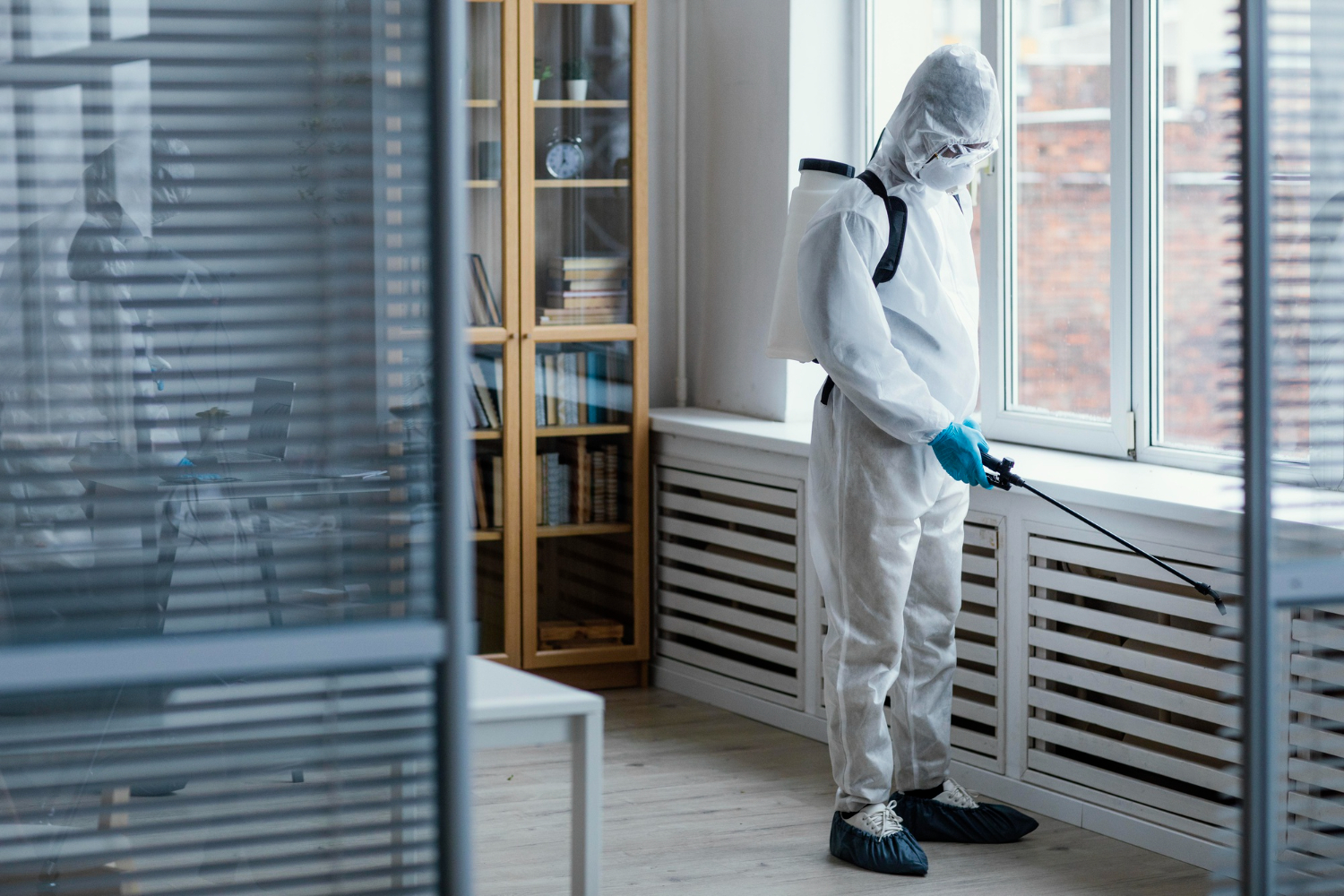
- ✓Full Japanese photocatalytic treatment, applied by trained technicians
- ✓Post-treatment retest, with readings shared and explained on the spot
- ✓Fixed price — no surprise add-ons after the work begins
Most 4-room HDB formaldehyde removals fall within the standard residential service range. Commercial, condo, and landed property quotes are sized to scope after the free site inspection.
Request your free formaldehyde site inspectionFormaldehyde Removal vs DIY Methods: What Actually Works
Before you book, it helps to know why the common DIY approaches miss the mark — and where professional formaldehyde treatment earns its keep.
Ventilation and "bakeout"
Air purifiers (HEPA + activated carbon)
Ozone generators
Houseplants
Japanese photocatalytic coating (our treatment)
For continuous surface protection after your formaldehyde treatment — especially in high-traffic spaces or homes with young children — pair formaldehyde removal with our VLAG antibacterial coating.
Formaldehyde Removal FAQs
Quick answers to the questions Singapore homeowners and office managers ask us most.
What is formaldehyde and why is it dangerous in newly renovated Singapore homes?
How long does formaldehyde off-gas without treatment?
How long does the formaldehyde removal treatment take?
Is the treatment safe for children, pregnant women, and pets?
Do I need to move my furniture out before treatment?
How much does formaldehyde removal cost in Singapore?
How long does the treatment last?
Will I see proof that it worked?
Can I test for formaldehyde myself in my Singapore HDB?
Does an air purifier remove formaldehyde?
Is formaldehyde worse in tropical climates like Singapore?
How soon after renovation should I book formaldehyde removal?
Do you treat formaldehyde in office fit-outs and commercial spaces?
What is the difference between formaldehyde and TVOCs?
Can I re-treat only the affected rooms instead of the whole property?
Do you serve landed properties and GCBs in Singapore?
References: WHO indoor air quality guidelines · Singapore National Environment Agency (NEA)
Related Indoor Air Quality Services
Formaldehyde Removal Services
Named service packages (Essential, Standard, Premium) that decompose formaldehyde (HCHO) and TVOCs at the source for newly renovated HDB flats, BTO units, condos, landed homes, and offices. Includes pre and post-treatment readings, 1-year guarantee.
See formaldehyde removal services →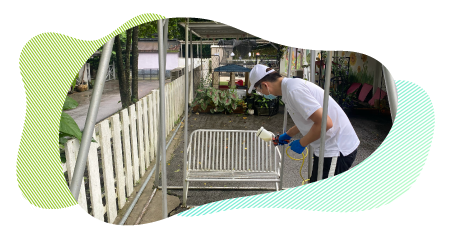
Antibacterial Coating
Long-lasting VLAG antimicrobial coating with silver-ion and visible-light photocatalytic technology. Tested against H1N1. For Singapore offices, schools, childcare, clinics, gyms, and homes.
Explore VLAG antibacterial coating →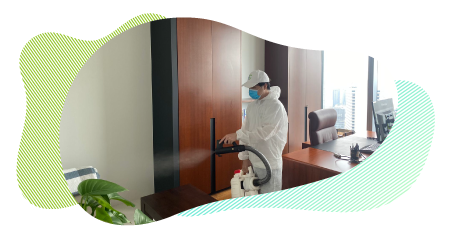
Deep Disinfection
Professional QAC-based deep disinfection with ULV fogging and electrostatic application. Kills bacteria in 1 minute, deactivates coronaviruses in 30 seconds. For offices, clinics, F&B, schools across Singapore.
Book QAC deep disinfection →Page reviewed by UC Fresh Air's certified indoor air quality technicians. Last updated 29 April 2026. Service claims, threshold values, and pricing are reviewed against current WHO Indoor Air Quality Guidelines, NEA workplace IAQ guidance, and IARC carcinogen classifications. About UC Fresh Air.
Ready to choose a formaldehyde removal service package for your Singapore property?
For named service tiers (Essential, Standard, Premium), what is included in every booking, the booking workflow, and corporate billing, see the dedicated service packages page.
See Formaldehyde Removal Service PackagesFurther Reading on Formaldehyde & Indoor Air Quality
Ready to Remove Formaldehyde from Your Singapore Property?
Get a free site inspection and indoor air quality assessment. Our formaldehyde removal specialists test your air, show you the readings, and walk you through the treatment plan — no obligation.