Childcare Formaldehyde Removal Services in Singapore
ECDA-aligned single-pollutant HCHO source treatment for Singapore pre-schools, infant care centres, student care, and primary schools. PIAJ-certified Japanese photocatalytic coating, water-based and food-grade rated post-cure (verified infant-safe). Pre-ECDA-licence inspection prep, weekend/holiday scheduling, ECDA-aligned certificate and parent communication template included.
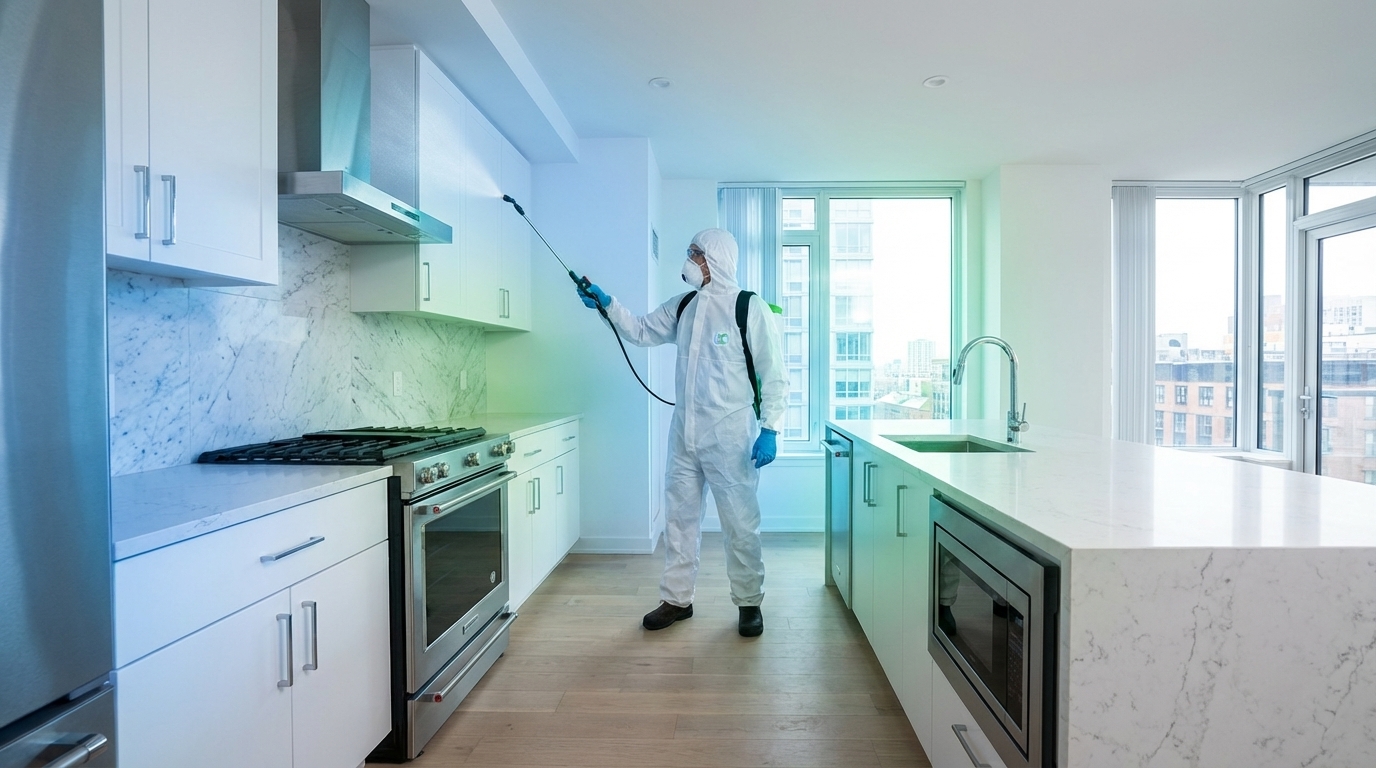
Why Singapore childcare centres need professional formaldehyde removal services
Infants and toddlers breathe more air per kilo of body weight than adults and spend more hours indoors. New childcare fit-outs concentrate formaldehyde from cubbies, play structures, nap mats, and laminate flooring above the WHO 0.1 mg/m³ guideline for months without intervention. ECDA licensing inspection, parent expectations, and the IARC Group 1 carcinogen classification make documented HCHO source treatment the baseline, not optional.
Infants are most affected
Per-kilo air intake for an infant is 2-3x an adult. The same indoor HCHO concentration delivers a higher dose to a baby than to a teacher.
ECDA pre-licence inspection
New centres need documented IAQ records for ECDA licensing. UC Fresh Air provides pre/post HCHO readings against the WHO 0.1 mg/m³ guideline.
Parent confidence
Parents increasingly ask about indoor air quality before enrolment. A documented certificate of completion with pre/post HCHO readings and a parent communication template signal quality.
The pre-ECDA-licence childcare formaldehyde removal workflow
Built around the ECDA pre-licence inspection timeline so the documented HCHO record is in the file at inspection.
Fit-out completion
Cubbies, play structures, vinyl flooring, paint, equipment installation complete. HCHO emission peaks.
Pre-treatment HCHO test
Calibrated readings against WHO 0.1 mg/m³ in every classroom, nap room, feeding area.
Photocatalytic treatment
Whole-centre source treatment scheduled over a weekend. Infant-safe coating, food-grade post-cure.
Post-test + ECDA inspection
Second HCHO reading documents reduction. Report submitted with ECDA pre-licence application.
Childcare formaldehyde removal coverage zone by zone
Classrooms (N1, N2, K1, K2)
Child-height cubbies, low shelving, art easels, reading nooks. High HCHO concentration in closed cubbies.
Infant care rooms
Cot rooms, change tables, feeding areas. Highest priority for infant-safe re-occupancy.
Nap rooms and quiet rooms
Foam mats, mattresses, low storage. Long sleeping hours = high cumulative exposure dose for toddlers.
Feeding and meal areas
Pantry MDF carpentry, food prep counters, high chairs. Food-grade post-cure rating relevant.
Play structures and reading nooks
Built-in plywood reading nooks, climbing frames, dramatic-play kitchens. Concentrated HCHO source.
Restrooms and toilet training
Child-height toilets, sinks, change tables. Standard QAC dwell.
Reception and parent areas
Drop-off lobby, parent waiting, communication boards. Standard scope.
Staff areas and kitchen
Staff lounge, kitchen prep, lockers. Same chemistry, no special consideration.
Outdoor and shaded play
Covered outdoor play areas with new ceiling and structure. New treated wood off-gasses HCHO.
The childcare formaldehyde removal process
Free assessment
Walk-through with director. Centre layout, scheduling.
Pre-treatment test
HCHO readings every classroom and nap room.
Infant-safe coating
Walls, ceilings, cubbies, play structures.
Extended ventilation
90-minute cycle for infant safety. Coating cures invisible.
ECDA certificate + parent comms
Pre/post HCHO readings documented on the spot, MSDS, certificate of completion, parent communication template.
Common childcare formaldehyde service pairings
Formaldehyde Removal Service Packages
See all named formaldehyde removal service tiers across Singapore residential and commercial properties.
Read moreSchools & Childcare Antibacterial Coating
VLAG silver-ion plus photocatalytic for high-touch surfaces. Common pairing for ongoing infant-safe surface protection.
Read moreClinic Formaldehyde Removal
For paediatric clinics and well-baby clinics on the same premises as childcare.
Read moreOffice Formaldehyde Removal
For administrative offices in childcare HQs or multi-centre management premises.
Read moreDeep Disinfection Services
QAC ULV fogging plus electrostatic spraying. Pre-opening hygiene for childcare centres alongside formaldehyde source treatment.
Read morePost-Incident Disinfection
Same-day HFMD, flu, RSV outbreak response for ECDA-licensed centres.
Read moreSingapore childcare formaldehyde removal FAQs
ECDA pre-licence, infant safety, parent communication, and scheduling questions Singapore childcare directors ask most. For background reading on what HCHO is and how photocatalytic decomposition works, see the formaldehyde and TVOC overview hub.
What is childcare formaldehyde removal in Singapore?
Why does my new childcare centre smell of formaldehyde?
Is the formaldehyde removal coating safe for infants and toddlers?
Is childcare formaldehyde removal ECDA-aligned?
When should a new childcare centre book formaldehyde removal in Singapore?
How much does childcare formaldehyde removal cost in Singapore?
Can childcare formaldehyde removal be done over a weekend or school holiday?
Does the photocatalytic coating affect toys, foam mats, or art materials?
Do you provide a parent communication template for the formaldehyde removal?
Which childcare and education facility types do you service in Singapore?
Related Singapore indoor air quality services
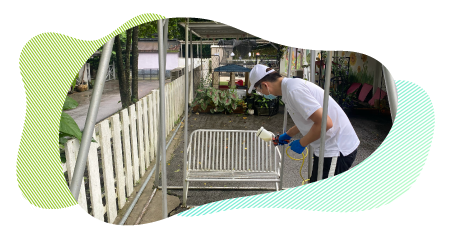
Antibacterial Coating
Long-lasting VLAG antimicrobial coating with silver-ion and visible-light photocatalytic technology. Tested against H1N1. For Singapore offices, schools, childcare, clinics, gyms, and homes.
Explore VLAG antibacterial coating →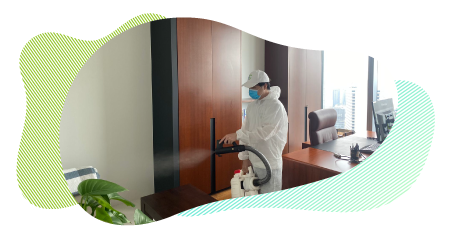
Deep Disinfection
Professional QAC-based deep disinfection with ULV fogging and electrostatic application. Kills bacteria in 1 minute, deactivates coronaviruses in 30 seconds. For offices, clinics, F&B, schools across Singapore.
Book QAC deep disinfection →Page reviewed by UC Fresh Air's certified indoor air quality technicians. Last updated 29 April 2026. Childcare formaldehyde removal scope, ECDA alignment, and infant-safety chemistry are reviewed against current ECDA Health and Hygiene guidance, WHO Indoor Air Quality Guidelines, and IARC carcinogen classifications. About UC Fresh Air.
Book a free childcare formaldehyde assessment
Walk-through with your centre director within 24 to 48 hours, ECDA-aligned protocol, weekend/holiday scheduling, certificate of completion and parent communication template included.