Formaldehyde in my home? What Every Singapore Homeowner Should Know
13 July 2021 · 2 min read
Formaldehyde may sound like something from a science lab, but it’s actually one of the most common indoor air pollutants found in Singapore homes—especially after...

Formaldehyde may sound like something from a science lab, but it’s actually one of the most common indoor air pollutants found in Singapore homes—especially after renovations.
It hides in places you wouldn’t expect—new cabinets, flooring, paint, and even curtains. And the worst part? It doesn’t just smell bad. It’s toxic.
What is Formaldehyde and Where Does It Come From?
Formaldehyde is a colourless gas with a sharp chemical smell. It’s used in many building and household materials, such as:
-
Plywood and particle boards
-
Furniture with glued joints
-
Interior paint and adhesives
-
Curtains, cushions, and foam products
-
Household cleaners and pet care items
After renovation, these materials slowly release formaldehyde into the air in a process called off-gassing—which can continue for months or even years.
Why Is It Harmful?
Formaldehyde is classified by the World Health Organization as a Group 1 carcinogen—that means it’s known to cause cancer in humans. Prolonged exposure can also lead to:
-
Eye, nose, and throat irritation
-
Persistent headaches and fatigue
-
Allergic reactions and asthma flare-ups
-
Respiratory problems, especially in children and the elderly
Many people experience symptoms at home but never realise formaldehyde could be the hidden cause.
How to Tell If Your Home Has Formaldehyde
Not sure if you’ve got formaldehyde in your home? Watch out for these signs:
-
Strong “chemical” smell in new carpentry or furniture
-
Irritation when staying indoors for too long
-
Allergic symptoms that improve when you go out
-
Poor air circulation in rooms with new fittings
-
High readings on a formaldehyde or VOC meter
What Can You Do About It?
Here’s how you can reduce formaldehyde exposure:
✅ Ventilate Regularly
Open your windows and use fans to improve airflow—especially during and after renovation.
✅ Choose Safer Materials
Opt for low-emission certified products (e.g. E0-grade plywood or GREENGUARD-certified furniture).
✅ Invest in a Quality Air Purifier
Look for purifiers with HEPA + activated carbon filters, as these are effective against VOCs and odours.
✅ Engage a Professional Air Treatment Service
Services like ours at UC Fresh Air use tested, long-lasting solutions—such as photocatalyst coatings and non-toxic sprays—to neutralise formaldehyde and improve overall air quality.
🔗 Learn more about our Formaldehyde & VOC Removal Service →
When to Consider Professional Help
If your home has just been renovated—or you have young children, elderly family members, or pre-existing respiratory conditions—professional treatment can make a real difference.
At UC Fresh Air, we follow NEA-recommended practices and use only certified, safe products that provide lasting protection against indoor pollutants.
Protect What Matters Most—Your Family’s Health
Don’t wait until symptoms appear. Indoor air pollution is invisible but real—and treatable.
📞 Contact UC Fresh Air for a free consultation today.
We’ve been helping Singapore homes and offices breathe cleaner since 2018.
Related Articles
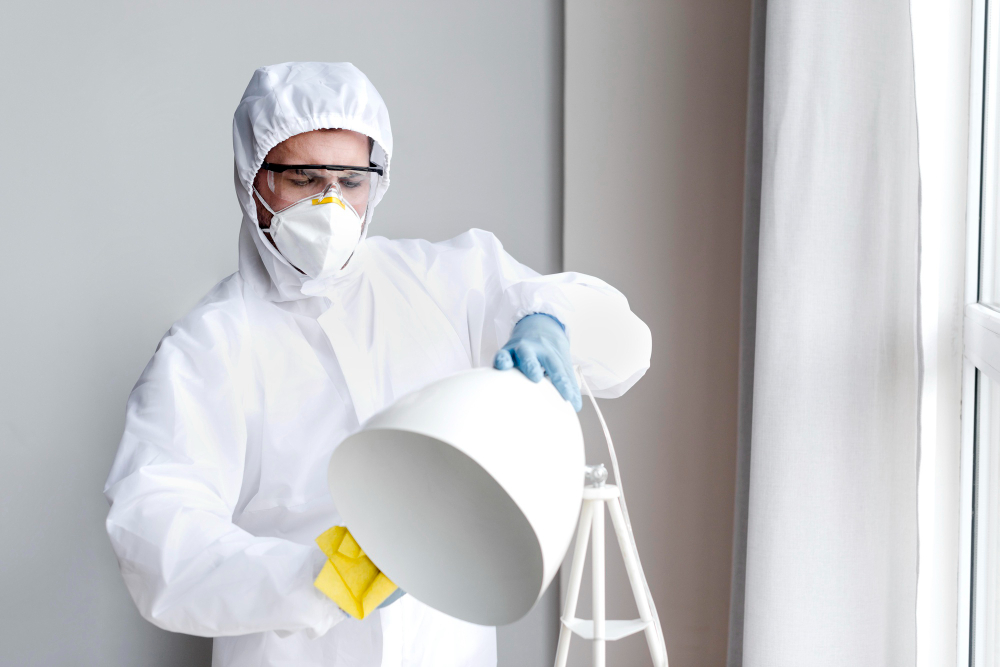
Why Singapore Homes Need Effective Formaldehyde Removal
Read the full guide →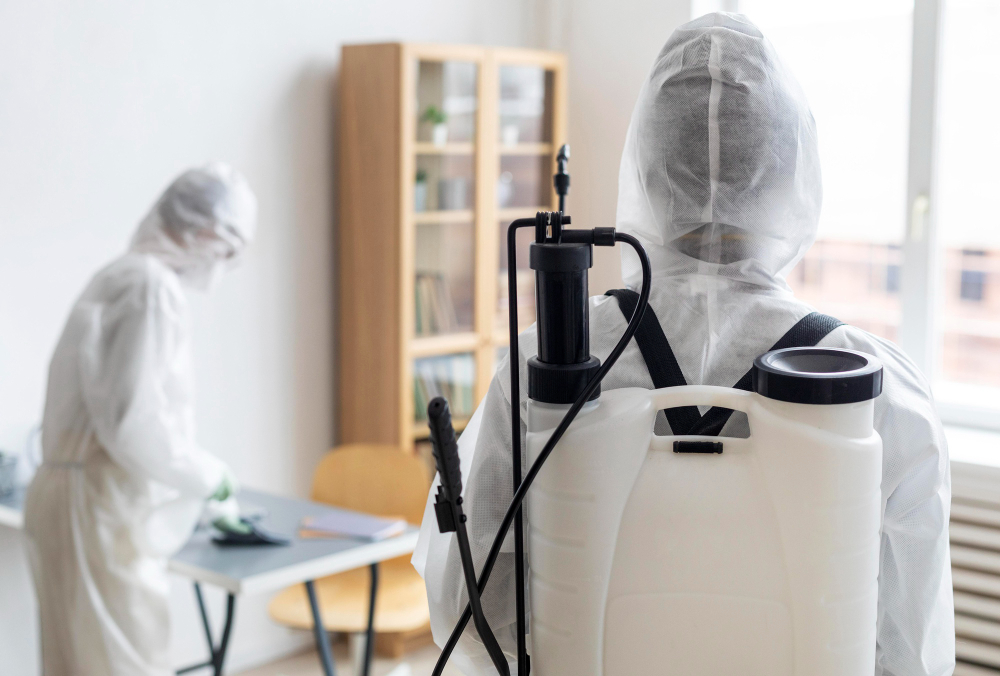
What Formaldehyde Removal in Singapore Really Means Beyond Air Purifiers
Read the full guide →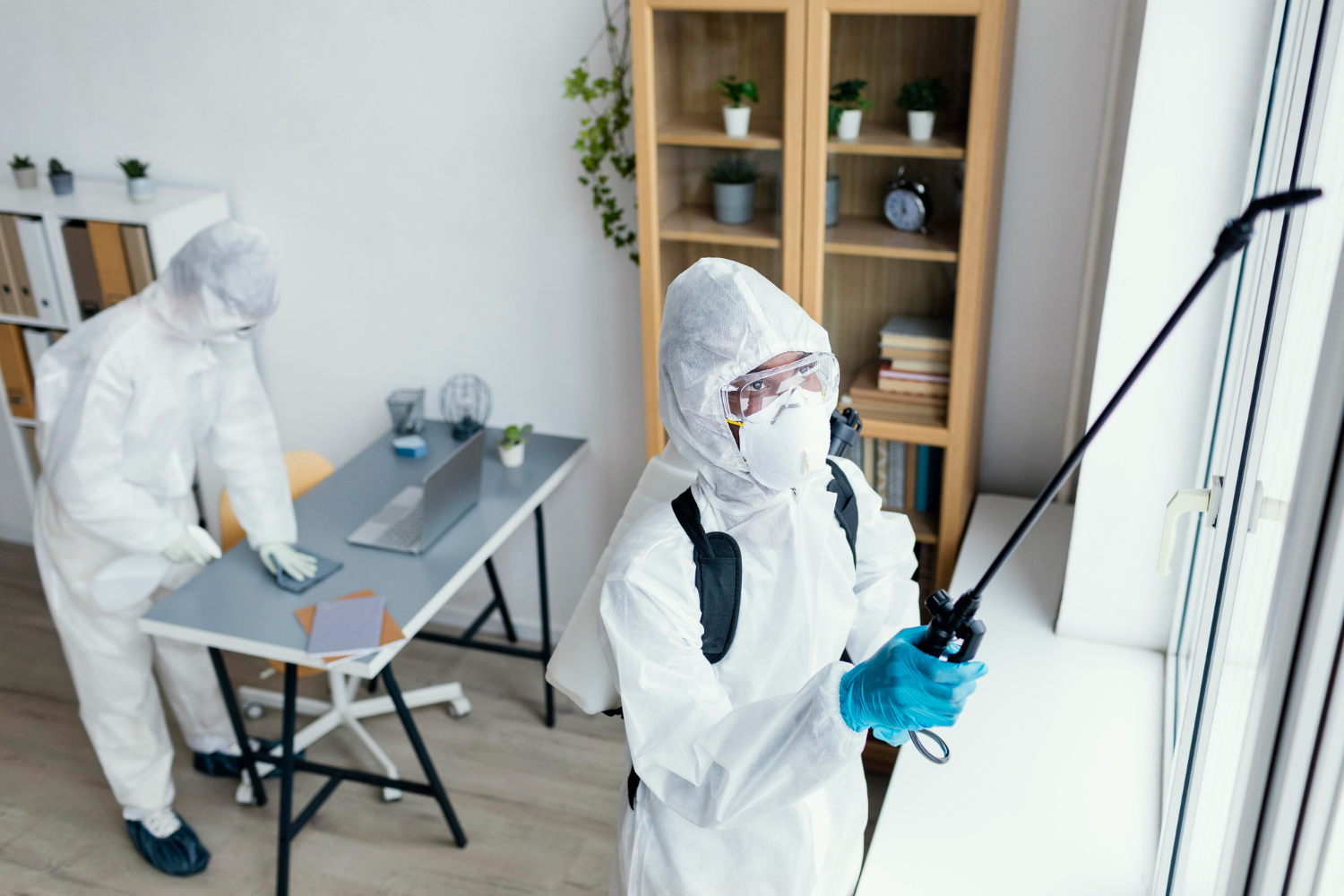
How Singapore Residents Keep Indoor Air Clean Using Formaldehyde Removal Sprays?
Read the full guide →Worried About Your Indoor Air Quality?
Get a free site inspection and air quality assessment. We'll show you exactly what's in your air — and how to fix it.