Formaldehyde Removal in Singapore: Effective Techniques for a Healthier Home
28 March 2025 · 10 min read
Formaldehyde Removal in Singapore: Effective Tips for Clean Indoor Air Formaldehyde is a common but harmful compound found in many household items, from furniture to...
Formaldehyde Removal in Singapore: Effective Tips for Clean Indoor Air
Formaldehyde is a common but harmful compound found in many household items, from furniture to cleaning products. While it often goes unnoticed, its presence can lead to serious health issues ranging from respiratory problems to skin irritations. If you’ve been feeling uneasy about the air quality in your home, it’s time to take action. In this article, we will explore effective removal techniques to help you say goodbye to formaldehyde and create a healthier living environment for you and your family. Whether you’re looking to improve indoor air quality, reduce allergens, or simply feel safer in your space, these proven methods will guide you through the process of eliminating this toxic substance. Join us on the journey to a fresher, cleaner home, and take the first step toward a healthier lifestyle today.
What Is Formaldehyde and Why Removal Matters
Formaldehyde is a volatile organic compound (VOC) that exists in a gaseous state at room temperature. It is colorless but possesses a strong, pungent odor that can be detectable even at low concentrations. This compound is widely used in the manufacturing of building materials and household products, which makes it a common indoor pollutant. Formaldehyde is typically found in pressed-wood products, adhesives, coatings, and certain consumer goods, contributing to its prevalence in the home environment.
Despite its widespread use, formaldehyde is a hazardous substance. It is classified as a human carcinogen by the International Agency for Research on Cancer (IARC), meaning it has the potential to cause cancer in humans. Additionally, formaldehyde exposure can result in immediate health effects such as eye, nose, and throat irritation, coughing, and skin rashes. Long-term exposure can lead to more severe respiratory issues and other chronic health conditions.
Understanding the nature and sources of formaldehyde is crucial for homeowners who wish to improve their indoor air quality. By identifying where formaldehyde might be lurking in your home, you can take proactive steps to reduce its presence and protect your family’s health. Knowledge is the first step towards creating a safer living environment, and this article will guide you through the necessary measures to mitigate formaldehyde exposure.
Sources of Formaldehyde in Your Home
Formaldehyde can originate from numerous sources within the home, making it challenging to pinpoint its exact location. One of the most common sources is building materials such as particleboard, plywood, and fiberboard, which are often used in furniture, cabinetry, and flooring. These materials are held together with adhesives that release formaldehyde gas over time, contributing to indoor air pollution.
In addition to construction materials, formaldehyde is found in various household products. Many cleaning agents, disinfectants, and personal care products contain formaldehyde or formaldehyde-releasing preservatives. These products can off-gas formaldehyde into the air, increasing the concentration of this harmful compound in your home. Additionally, combustion processes such as smoking, cooking, and using unvented gas appliances can also release formaldehyde.
Textiles treated with permanent-press chemicals, such as clothing, drapes, and upholstery, may also emit formaldehyde. Even certain types of insulation materials and paints can contribute to the presence of this compound. Given the multitude of sources, it is essential to be aware of the items and activities within your home that could be releasing formaldehyde and take steps to minimize your exposure.
Health Risks Associated with Formaldehyde Exposure
Exposure to formaldehyde can have serious health implications, ranging from mild irritations to severe chronic conditions. Short-term exposure typically results in symptoms such as watery eyes, burning sensations in the eyes and throat, nausea, and difficulty in breathing. People with asthma or other respiratory conditions may experience worsening symptoms upon exposure to formaldehyde.
Long-term exposure to formaldehyde is more concerning due to its classification as a carcinogen. Prolonged inhalation of formaldehyde has been linked to cancers of the nose and throat. Studies have also suggested a possible association with leukemia. Additionally, chronic exposure can lead to persistent respiratory issues, including bronchitis and other forms of chronic obstructive pulmonary disease (COPD).
Beyond respiratory and cancer risks, formaldehyde exposure can also cause skin irritations and allergic reactions. People who are sensitive to formaldehyde may develop dermatitis, a condition characterized by red, itchy skin. Given the wide range of health risks associated with formaldehyde, it is imperative to take steps to reduce exposure and protect your health and the health of your loved ones.
Signs of Formaldehyde Presence in Your Living Space
Detecting the presence of formaldehyde in your home can be challenging, especially since it’s a colorless gas. However, there are several signs that may indicate elevated levels of formaldehyde. One of the most apparent indicators is the strong, pungent odor that formaldehyde emits. If you notice an unusual chemical smell in your home, it may be worth investigating further.
Health symptoms among household members can also be a sign of formaldehyde exposure. If you or your family members frequently experience symptoms such as eye irritation, coughing, throat discomfort, or skin rashes, it may be due to formaldehyde. Persistent health issues that seem to improve when away from home could also suggest indoor air quality problems.
Another way to determine the presence of formaldehyde is through testing. There are formaldehyde detection kits available that can measure the levels of this compound in your home. These kits typically involve setting out a test device for a specified period, after which the device is sent to a lab for analysis. If the results indicate high levels of formaldehyde, it’s time to take corrective action.
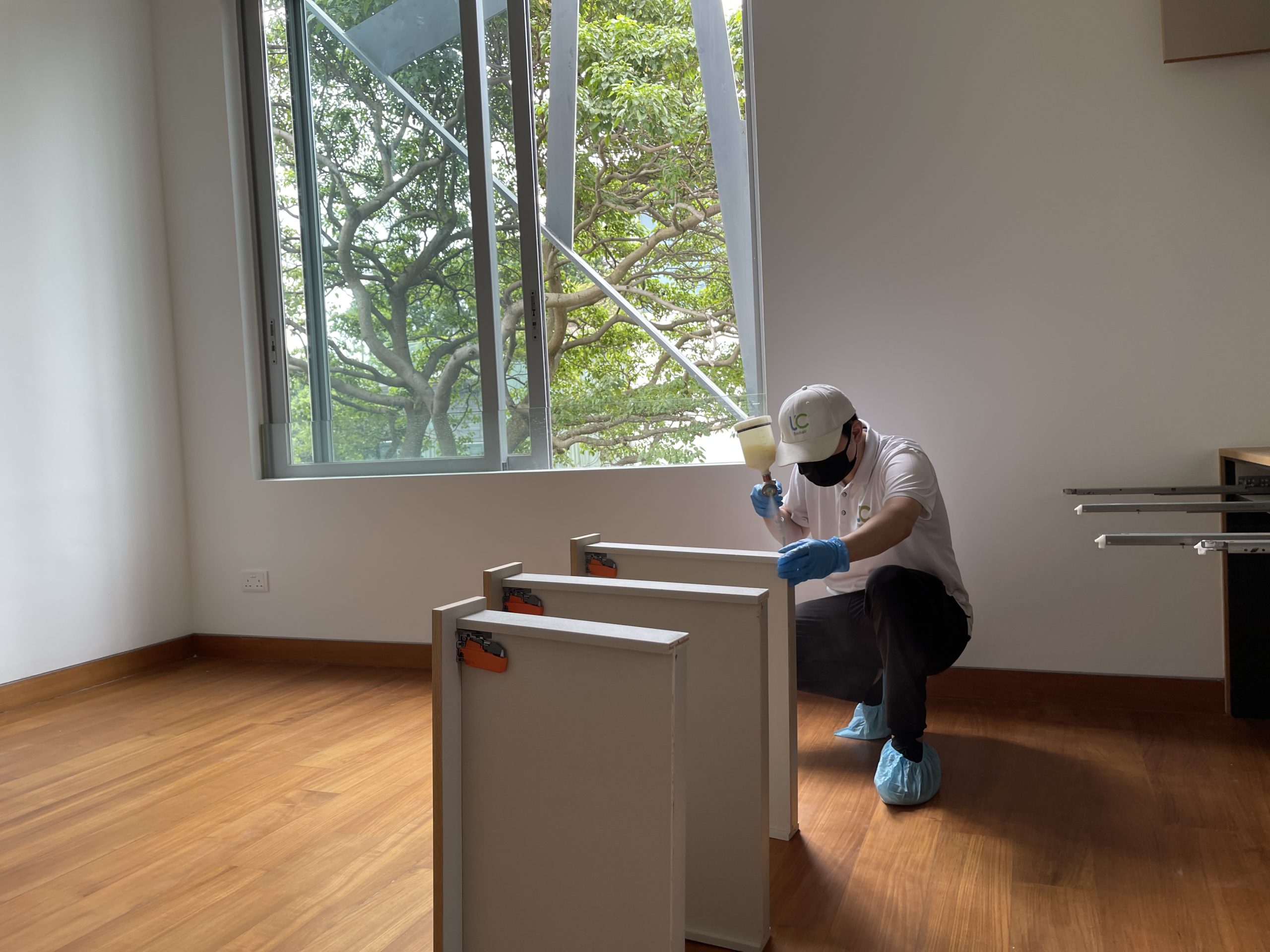
If you prefer professional help, UC Fresh Air offers comprehensive formaldehyde testing and removal services in Singapore.We use industry-grade equipment to measure indoor pollutant levels with precision.Our trained specialists provide on-site assessments, targeted treatment, and post-treatment readings, ensuring peace of mind for families, schools, and businesses.
Effective Techniques for Removing Formaldehyde
Once you’ve identified the presence of formaldehyde, the next step is to implement effective removal techniques. One of the most straightforward methods is improving ventilation. Increasing airflow by opening windows and using exhaust fans can help disperse formaldehyde and reduce its concentration indoors. This is especially important during activities that generate formaldehyde, such as cooking or using certain household products.
Another effective technique is using activated carbon filters. These filters are designed to adsorb formaldehyde and other VOCs, trapping them and preventing them from circulating in the air. Activated carbon filters can be used in air purifiers or as standalone units placed in areas with high formaldehyde levels. Regularly replacing these filters is crucial to maintaining their effectiveness.
Removing or replacing formaldehyde-emitting materials and products is another critical step. This might involve replacing particleboard furniture with solid wood alternatives, choosing formaldehyde-free paints and adhesives, and opting for natural cleaning products. By reducing the sources of formaldehyde in your home, you can significantly decrease its presence and improve your indoor air quality.
At UC Fresh Air, we’ve developed our own formaldehyde removal spray — UCOATE Formaldehyde Remover Spray.Made with a safe and proven formula containing chitosan and zinc oxide, it helps neutralize formaldehyde emissions from new furniture, cabinets, and renovation surfaces.The spray is easy to use at home and ideal for homeowners who want fast and effective results without hiring a full-service team.You can use it as a finishing touch after renovations, or as an add-on to keep indoor air fresh.
Natural Solutions for Reducing Formaldehyde Levels
In addition to conventional removal techniques, there are several natural solutions that can help reduce formaldehyde levels in your home. One such solution is the use of houseplants. Certain plants have been shown to absorb formaldehyde through their leaves and roots, effectively acting as natural air purifiers. Plants such as spider plants, peace lilies, and Boston ferns are particularly effective at removing formaldehyde.
Another natural solution is the use of beeswax candles. Unlike paraffin candles, which can release additional pollutants into the air, beeswax candles burn cleanly and can help neutralize formaldehyde. Lighting beeswax candles in your home can create a more pleasant atmosphere while also contributing to better air quality.
Baking soda is another household staple that can help absorb formaldehyde. Placing open containers of baking soda in areas with high formaldehyde levels can help reduce its concentration. Similarly, using vinegar as a cleaning agent can help break down formaldehyde molecules, making it a versatile and effective solution for maintaining a healthier home.
Home Improvements to Minimize Formaldehyde Exposure
Undertaking home improvements can also play a significant role in minimizing formaldehyde exposure. One of the most impactful changes is to choose low-emitting materials during renovations. Opt for formaldehyde-free or low-VOC building materials, such as solid wood, natural stone, and formaldehyde-free insulation. These materials can help create a healthier indoor environment from the ground up.
Installing proper ventilation systems is another crucial home improvement. Mechanical ventilation systems, such as heat recovery ventilators (HRVs) or energy recovery ventilators (ERVs), can help maintain a continuous flow of fresh air while expelling indoor pollutants. These systems are particularly beneficial in tightly sealed homes where natural ventilation may be limited.
Sealing and painting exposed particleboard or plywood can also help reduce formaldehyde emissions. Using low-VOC or formaldehyde-free sealants and paints can create a barrier that prevents formaldehyde from off-gassing into the air. Additionally, consider replacing carpeting with hard flooring options, as carpets can trap and release formaldehyde over time.
The Role of Air Purifiers in Formaldehyde Removal
Air purifiers can be a valuable tool in the fight against formaldehyde. Not all air purifiers are effective at removing formaldehyde, so it’s essential to choose one equipped with the right filters. Look for air purifiers that feature activated carbon filters, as these are specifically designed to adsorb VOCs, including formaldehyde.
Some advanced air purifiers also use additional technologies to enhance their effectiveness. For example, photocatalytic oxidation (PCO) and plasma wave technology can break down formaldehyde at a molecular level, rendering it harmless. These technologies can be particularly effective in homes with high levels of formaldehyde or in areas where ventilation is limited.
When using air purifiers, it’s essential to place them strategically. Positioning air purifiers in rooms with the highest formaldehyde levels, such as living rooms, bedrooms, and kitchens, can maximize their impact. Regular maintenance, such as replacing filters and cleaning the units, is also crucial to ensure they continue to operate effectively.
Regular Maintenance Tips for a Healthier Home Environment
Maintaining a healthier home environment requires ongoing attention and care. Regular cleaning is essential to minimize the accumulation of dust, which can harbor formaldehyde and other pollutants. Use a vacuum cleaner equipped with a HEPA filter to capture fine particles, and dust surfaces frequently using a damp cloth to prevent particles from becoming airborne.
Monitoring indoor humidity levels is another important aspect of home maintenance. High humidity can increase the release of formaldehyde from building materials and furnishings. Using a dehumidifier to maintain indoor humidity levels between 30% and 50% can help reduce formaldehyde emissions and improve overall air quality.
Regularly inspecting and maintaining household appliances, such as gas stoves and heaters, is also crucial. Ensure that these appliances are properly vented and functioning correctly to prevent the release of formaldehyde and other harmful gases. Routine maintenance can go a long way in creating a safer and healthier living environment for you and your family.
Conclusion: Creating a Safe and Healthy Living Space
Creating a safe and healthy living space is a continuous journey that requires awareness, proactive steps, and regular maintenance. By understanding the sources and risks associated with formaldehyde, you can take informed actions to reduce its presence in your home. From improving ventilation to using natural solutions and making thoughtful home improvements, there are numerous strategies to create a healthier indoor environment.
The use of air purifiers and ongoing maintenance further supports your efforts in minimizing formaldehyde exposure. Regularly cleaning, monitoring humidity levels, and ensuring proper appliance function are all essential components of maintaining a healthier home. Your dedication to these practices will contribute to a safer, more pleasant living space for you and your loved ones.
By implementing the techniques and solutions discussed in this article, you can effectively say goodbye to formaldehyde and embrace a healthier lifestyle. A cleaner, fresher home is within your reach, and the positive impact on your health and well-being is well worth the effort. Start your journey towards a healthier living space today and enjoy the benefits of improved indoor air quality and a safer home environment.
Ready to breathe easier?Visit ucfreshair.com to explore our products, book a service, or get in touch with our team for a free consultation.Let UC Fresh Air help you create a cleaner, safer living space — one breath at a time.
Related Articles
Why Singapore Homes Need Effective Formaldehyde Removal
Read the full guide →
What Formaldehyde Removal in Singapore Really Means Beyond Air Purifiers
Read the full guide →
How Singapore Residents Keep Indoor Air Clean Using Formaldehyde Removal Sprays?
Read the full guide →Worried About Your Indoor Air Quality?
Get a free site inspection and air quality assessment. We'll show you exactly what's in your air — and how to fix it.