Cannot Sleep in a New Bedroom? Indoor Air Causes in Singapore
24 June 2026 · 3 min read
Trouble sleeping in a new BTO or freshly renovated bedroom is often caused by formaldehyde, TVOCs, and elevated CO2 disrupting sleep architecture. Here is the guide.
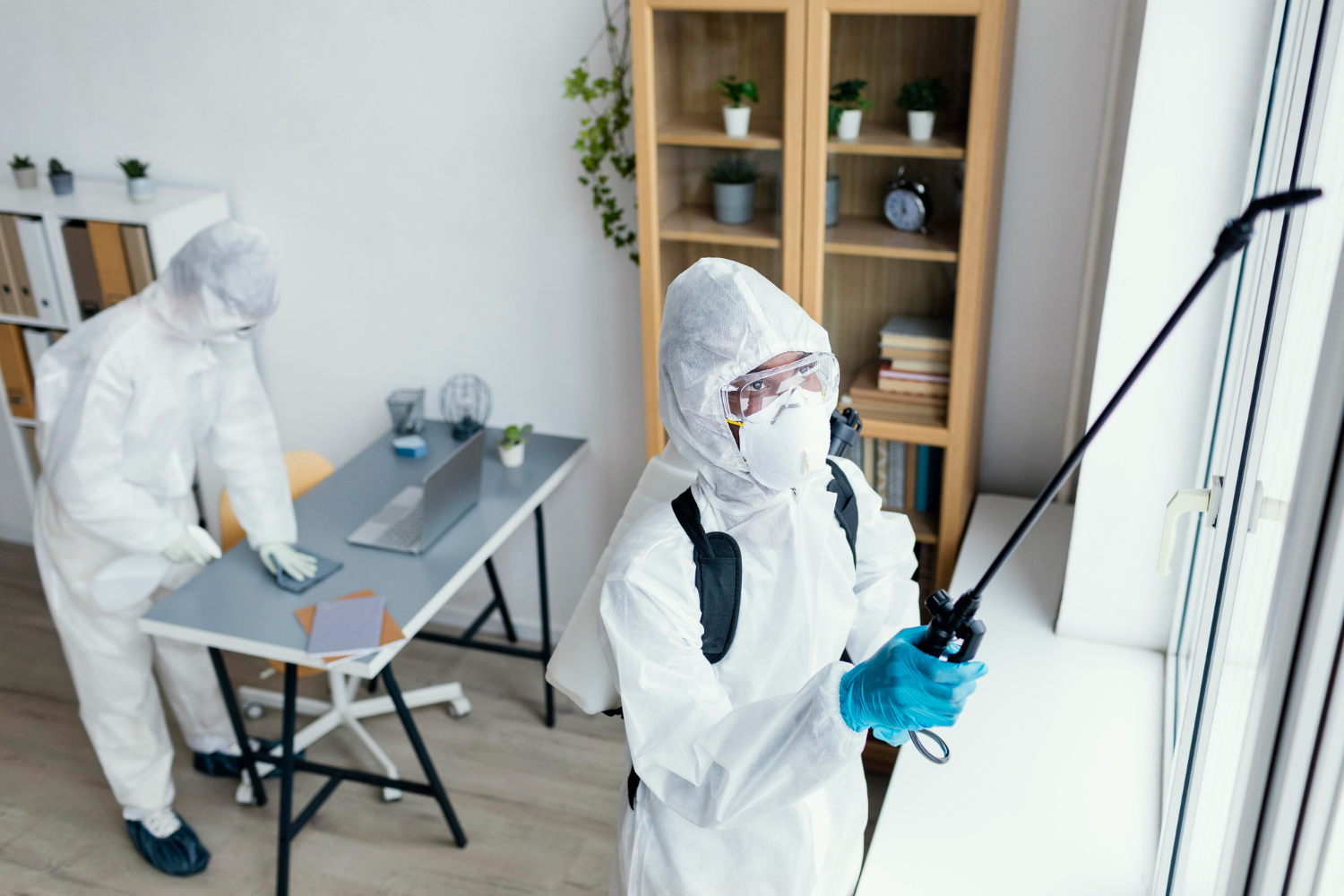
TL;DR: Trouble falling asleep, fragmented sleep, or waking up unrefreshed in a new bedroom is often caused by formaldehyde, TVOCs, and CO2 accumulating in a sealed Singapore bedroom overnight. The fix is bedroom ventilation plus source-level VOC removal, with measurable improvement typically within a week.
The 60-second answer
Sleep architecture is sensitive to the air you breathe overnight. A controlled Indoor Air (2016) study by Strom-Tejsen et al showed that improving bedroom CO2 and VOC levels measurably improved sleep quality scores and increased deep-sleep duration. The mechanism: low-grade upper-airway irritation increases sleep-stage arousals, and mild CO2 elevation reduces sleep depth.
In a typical new Singapore flat, both pollutants peak overnight: formaldehyde from carpentry and mattress emit constantly, and CO2 from your own breath accumulates in the sealed aircon-on bedroom. By 5am, the room is at the worst-quality air of the 24-hour cycle.
The signature pattern of indoor-air insomnia
Three identifying features:
- Sleep onset trouble in the first 30 to 60 minutes. Lying in bed feeling awake or restless, even when tired. Often described as “I just can’t switch off.”
- Multiple wake-ups between 2am and 5am. Brief awakenings without obvious cause; back to sleep within minutes but cumulative impact is real.
- Wake up unrefreshed. Even after a full 8 hours, morning energy is lower than the same person feels at a hotel or at family’s place on a holiday.
If two or more match and the pattern is consistent in the same bedroom but resolves elsewhere, indoor air is the strongest hypothesis.
Why Singapore bedrooms are sleep-disrupting
Three local factors:
- Year-round aircon-with-windows-shut sleep. 7 to 9 hours of sealed bedroom every night, no seasonal break. Cumulative overnight exposure adds up.
- Heavy built-in carpentry per square metre. Pressed-wood wardrobes, headboards, and TV consoles concentrate the source. Air volume per VOC source is small.
- Heat accelerates emission. Formaldehyde release roughly doubles for every 7°C rise. Bedrooms in late afternoon hit 32°C, emitting at 2 to 4x lab rates.
Three changes to try this week
- Crack a bedroom window 1 to 2 cm all night. Drops overnight CO2 from 2000+ ppm to 800-1000 ppm. The single highest-impact free change. Most clients report better sleep onset within 3 to 5 nights.
- Sleep in the room with the lowest VOC source density. Usually the smallest spare room. Diagnostic move: if you sleep substantially better there, the master bedroom’s emissions are the cause.
- Run a small HEPA + activated carbon purifier on low overnight. S$300 to S$800 for a quality unit. Provides supplemental VOC reduction and white noise.
These are diagnostic. If sleep improves noticeably, the home environment was the cause and source-level treatment is the durable next step.
When to escalate
Three triggers:
- Sleep disruption persists past week 4 despite ventilation and purifier changes
- Vulnerable household members: pregnant residents, infants, elderly, asthma sufferers. Sleep quality has outsized health impact for these groups
- Multiple symptoms together: insomnia plus morning fatigue, brain fog, headaches, or burning nose. Multi-symptom pattern points hard at indoor pollutants
For source-level treatment, see formaldehyde removal services and VOC removal services. For related symptoms that often accompany insomnia: constant fatigue at home, headaches in new BTO, and burning nose and throat.
Sources
- Strom-Tejsen, P. et al. The effects of bedroom air quality on sleep and next-day performance. Indoor Air, 2016.
- World Health Organization. Guidelines for Indoor Air Quality: Selected Pollutants. WHO Regional Office for Europe, 2010.
- Allen, J.G. et al. Associations of Cognitive Function Scores with Carbon Dioxide, Ventilation, and Volatile Organic Compound Exposures. Environmental Health Perspectives, 2016.
- Mitchell, C.S. et al. Current state of the science: health effects and indoor environmental quality. Environmental Health Perspectives, 2007.
Frequently asked questions
Can indoor air really cause insomnia?
Yes. Strom-Tejsen et al published a controlled study in Indoor Air (2016) showing that improving bedroom air quality (lower CO2 and VOCs) improved subjective sleep quality, increased deep-sleep duration, and improved next-day cognitive performance. The mechanism is partly arousal from upper-airway irritation and partly mild oxygen displacement from CO2 accumulation. Indoor-air insomnia is a real, measurable phenomenon.
Why is it worse in a new flat than an old one?
New flats have peak VOC emission for the first 6 to 18 months. Built-in carpentry, fresh paint, mattresses, and laminate flooring all off-gas at maximum rates simultaneously. Older flats are past the peak emission curve. Most clients who report sleep disruption in a new BTO see a meaningful improvement after either 12 to 18 months of natural off-gassing or after professional formaldehyde removal.
How is this different from regular insomnia?
Indoor-air sleep disruption has three signature patterns: (1) trouble falling asleep on the first 30 minutes after lying down (irritation from peak evening VOC concentration), (2) fragmented sleep with multiple wake-ups between 2am and 5am (CO2 and VOC accumulation overnight), and (3) waking unrefreshed even after 8 hours (poor sleep architecture from chronic mild irritation). Regular insomnia patterns are more variable across nights; indoor-air patterns are consistent night-to-night in the same flat.
Will moving to a different bedroom help?
Often substantially, especially short-term. Sleep in the room with the lowest VOC source density: usually the smallest spare room with the least built-in carpentry. Many clients who move out of the master bedroom (which has the largest wardrobe and the most fresh paint area) into a smaller spare room report better sleep within 3 to 5 nights. This is a useful diagnostic and a practical interim fix.
What should the bedroom CO2 be at?
For optimal sleep quality, target overnight CO2 below 1000 ppm. Outdoor air is 420 ppm; a well-ventilated bedroom 600-800 ppm; a sealed Singapore bedroom with aircon 1500-2500 ppm. Cracking a window 1 to 2 cm typically lifts overnight CO2 from 2000+ down to 800-1000 ppm. A cheap CO2 monitor (S$50-100) shows the change in real time.
Will an air purifier help with sleep?
Partly. A HEPA + activated carbon purifier reduces particulate and short-term VOC load while running, which often improves sleep onset within a week. It does not address CO2; the only fix for CO2 is air exchange (window crack, mechanical ventilation, or HRV system). Combine a purifier with overnight ventilation for the most reliable improvement.
Related Articles
Worried About Your Indoor Air Quality?
Get a free site inspection and air quality assessment. We'll show you exactly what's in your air — and how to fix it.