How to Safely Remove Formaldehyde from Furniture?
24 July 2025 · 5 min read
Indoor air pollution often starts with something you can’t see, such as formaldehyde. It’s a common chemical found in new furniture, cabinets, plywood, and laminate, and...
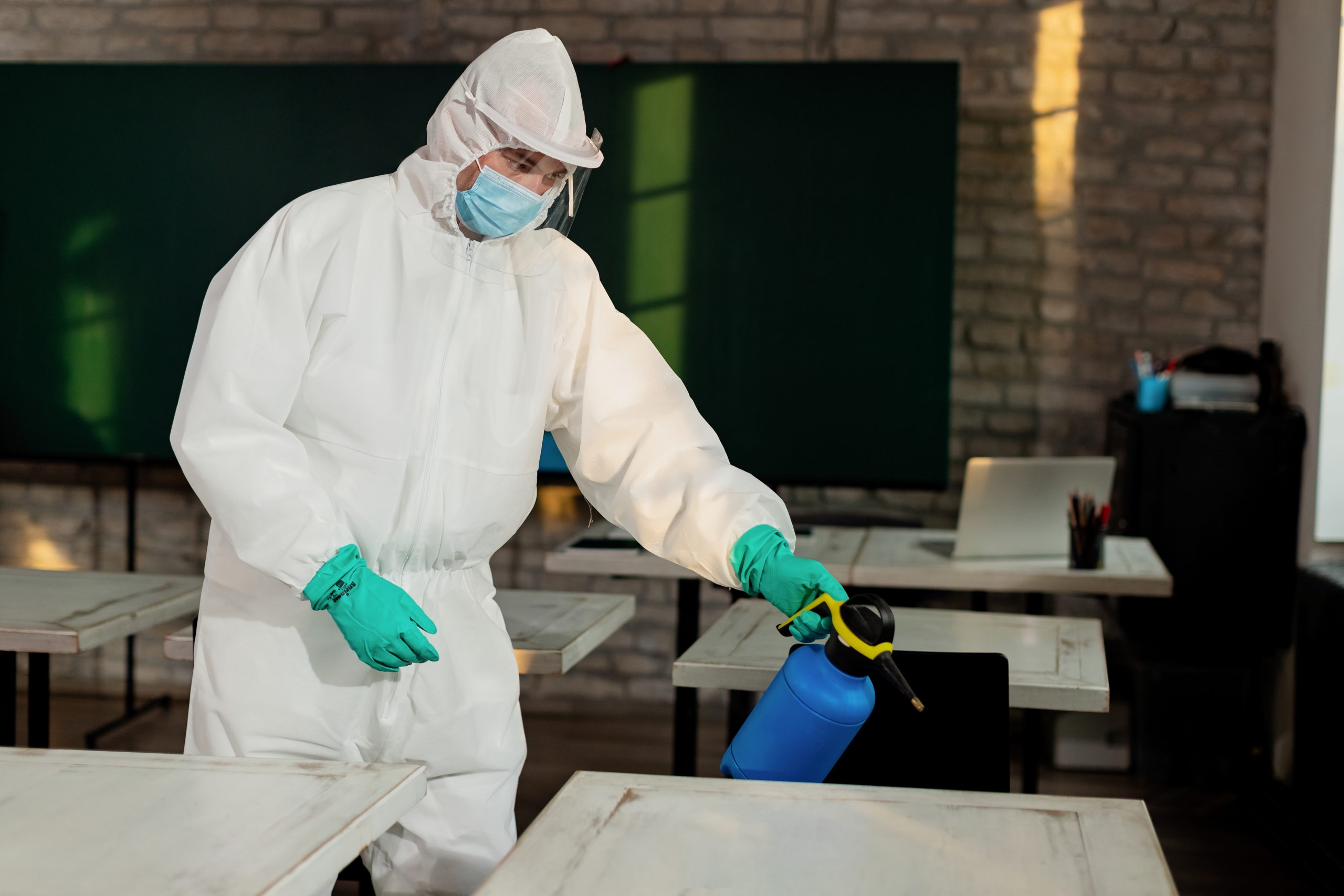
Indoor air pollution often starts with something you can’t see, such as formaldehyde. It’s a common chemical found in new furniture, cabinets, plywood, and laminate, and prolonged exposure can pose serious health risks. If you’ve recently moved into a renovated home or purchased new furnishings, you may already be wondering: How do I safely remove formaldehyde from my furniture?
Here’s what you need to know and how UCOATE’s Formaldehyde Remover offers one of the most effective, non-toxic solutions available today.
What Is Formaldehyde and Why Is It in Furniture?
Formaldehyde is a strong-smelling, colourless gas used in adhesives, resins, and coatings that bond wood composites like MDF, particleboard, and plywood. It’s also present in many paints and finishes. Over time, these materials emit formaldehyde gas, a process known as “off-gassing.”
Common Furniture That Emits Formaldehyde:
- Kitchen cabinets, wardrobes, and drawers
- Plywood or MDF furniture
- Laminate countertops or shelves
- Painted wood panels
These surfaces can continue to release harmful chemicals for months or even years if left untreated.
Why Is Formaldehyde Dangerous?
Formaldehyde exposure is recognised as a significant health hazard. The World Health Organisation (WHO) and the EPA classify it as a carcinogen. Even at low levels, it can cause:
- Eye, nose, and throat irritation
- Headaches, dizziness, or fatigue
- Asthma attacks and allergic reactions
- Long-term respiratory problems
Singapore’s humid climate exacerbates the problem of off-gassing. That’s why removing formaldehyde from furniture is not just a recommendation, it’s a necessity.
The Problem with Traditional Methods
Most households rely on air purifiers or activated carbon to solve indoor air issues. While they help with VOC removal, they often fall short for one key reason:
They don’t treat the surface itself. Furniture continuously emits formaldehyde. If you don’t neutralise the source, you’re just circulating the problem.
The Science-Backed Formaldehyde Remover
At UC Fresh Air, we developed the UCOATE Formaldehyde Remover, a professional-grade, water-based aldehyde decomposition spray designed to permanently break down and neutralise formaldehyde at the source.
Key Benefits:
- Decomposes formaldehyde into harmless compounds
- Non-toxic and VOC-free
- Safe for children, pets, and sensitive users
- SGS-tested: 93.83% formaldehyde removal efficiency
- Applies directly to furniture surfaces
How Does UCOATE Work?
UCOATE uses a dual-action mechanism:
Physical Adsorption
The coating binds to formaldehyde molecules emitted from wood or laminated surfaces.
Chemical Decomposition
The spray then reacts with the gas, converting it into non-toxic, stable compounds. This is achieved through a blend of:
- Chitosan complex
- Modified zinc oxide
- Catalytic additives
- Surfactants
How to Apply UCOATE on Furniture (Step-by-Step)
- Clean the surface, ensure it’s dry and free from dust.
- Shake the bottle well before use.
- Spray evenly from 20 to 30 cm away.
- Avoid wiping or touching the area.
- Avoid cleaning the surface for 3–5 days.
- For more potent effects, reapply after 30 minutes.
Recommended Surfaces:
- Wood panels, melamine boards, and plywood
- Painted cabinets and walls
- Laminate wardrobes and shelving units
Avoid use on black or water-sensitive surfaces.
How Long Does It Last?
Under typical indoor conditions, UCOATE remains effective for 1–2 years. It prevents the re-release of formaldehyde and maintains a cleaner, safer indoor environment.
- Coverage: 30–40 m² per 1L bottle
- Touch dry: 30 minutes
- Complete cure: 2–3 hours
Why UCOATE Is Better Than Air Purifiers or Charcoal
When comparing solutions to remove formaldehyde from furniture, UCOATE stands out because it targets the problem at its source, directly on the furniture surface. Most air purifiers and activated charcoal products can only filter the air, not treat surfaces where formaldehyde is actively off-gassing.
UCOATE is a formaldehyde remover specially designed to penetrate wood panels, cabinets, wardrobes, and other surfaces. Instead of just temporarily absorbing VOCs, it chemically reacts with formaldehyde and breaks it down into stable, non-toxic compounds, offering a permanent solution.
Air purifiers, while helpful in removing dust and airborne particles, cannot prevent the release of formaldehyde from certain materials, such as wood or paint. Activated charcoal loses its effectiveness quickly and may re-emit the pollutants once saturated. Photocatalyst sprays are only effective in direct sunlight or UV light, which limits their use indoors.
UCOATE works in all lighting conditions, is VOC-free, and has been SGS-tested to remove up to 93.83% of formaldehyde. It’s also non-toxic and safe for homes with babies, seniors, or pets. If you’re looking for a secure, long-lasting, and surface-specific solution to remove formaldehyde from furniture, UCOATE is the superior choice.
Ideal for These Use Cases
- New homeowners with freshly installed cabinets or flooring
- Parents preparing baby rooms or nurseries
- Tenants moving into recently renovated apartments
- Property managers conducting handovers
- Post-renovation cleaning or deep air detox
Remove Formaldehyde from Furniture the Safe, Smart Way
Don’t wait until you feel the effects of poor indoor air quality. Formaldehyde removal from furniture should start the moment new furnishings enter your home. The UCOATE Formaldehyde Remover provides a convenient, safe, and professional-grade solution for addressing off-gassing directly from the surface. No machines. No toxic chemicals. Just the results you can breathe easier with.
FAQs
Does vinegar remove formaldehyde from furniture?
Vinegar may help reduce formaldehyde odour, but it does not effectively remove formaldehyde from furniture. A vinegar-water solution (1:3 ratio) can be sprayed lightly on surfaces to temporarily neutralise some smell, but it does not break down or neutralise formaldehyde at a chemical level.
For real formaldehyde removal, a specialised formaldehyde remover like UCOATE is required, which chemically decomposes harmful gases and prevents re-emission.
Does baking soda remove formaldehyde from furniture?
Baking soda can help absorb formaldehyde smells, but it is not effective for actually removing formaldehyde from furniture. Unlike activated carbon, which passively adsorbs gases, baking soda only works on surface odours and does not break down the toxic molecules.
If you need to permanently remove formaldehyde from furniture, a product like UCOATE Formaldehyde Remover is far more effective. It uses advanced decomposition technology to neutralise formaldehyde at its source.
How long does formaldehyde last after renovation?
Formaldehyde off-gassing can continue for up to two years after a renovation, especially from furniture made with pressed wood or laminate. In humid climates like Singapore, higher moisture and heat levels can increase the release of VOCs.
To safely and quickly lower indoor formaldehyde levels, applying a formaldehyde remover such as UCOATE is recommended. It reacts with formaldehyde to form non-toxic compounds, speeding up the detoxification process.
Can formaldehyde be removed from furniture?
Yes, formaldehyde can be removed from furniture, but airing it out alone is not enough. Placing furniture in a well-ventilated space or under sunlight may reduce emissions slightly, but it doesn’t neutralise formaldehyde. For effective and long-term results, apply a formaldehyde remover like UCOATE, which is scientifically formulated to break down formaldehyde on the surface of furniture, thereby providing a safer indoor environment.
What causes formaldehyde in furniture?
Formaldehyde is commonly found in furniture materials, such as MDF, particleboard, and plywood, due to the adhesives and glues used during manufacturing. It’s also present in paints, coatings, and varnishes. These sources slowly release harmful gases over time. Using a non-toxic formaldehyde remover, such as UCOATE, on these surfaces helps reduce long-term exposure and significantly improves indoor air quality.
Related Articles
Why Singapore Homes Need Effective Formaldehyde Removal
Read the full guide →
What Formaldehyde Removal in Singapore Really Means Beyond Air Purifiers
Read the full guide →
How Singapore Residents Keep Indoor Air Clean Using Formaldehyde Removal Sprays?
Read the full guide →Worried About Your Indoor Air Quality?
Get a free site inspection and air quality assessment. We'll show you exactly what's in your air — and how to fix it.