Skin Rashes After Renovation in Singapore: Is It the New Flat?
13 May 2026 · 5 min read
Itchy patches, hives, or eczema flares right after moving into a new flat are often skin reacting to formaldehyde and TVOCs. Here is how to tell, and what to do.
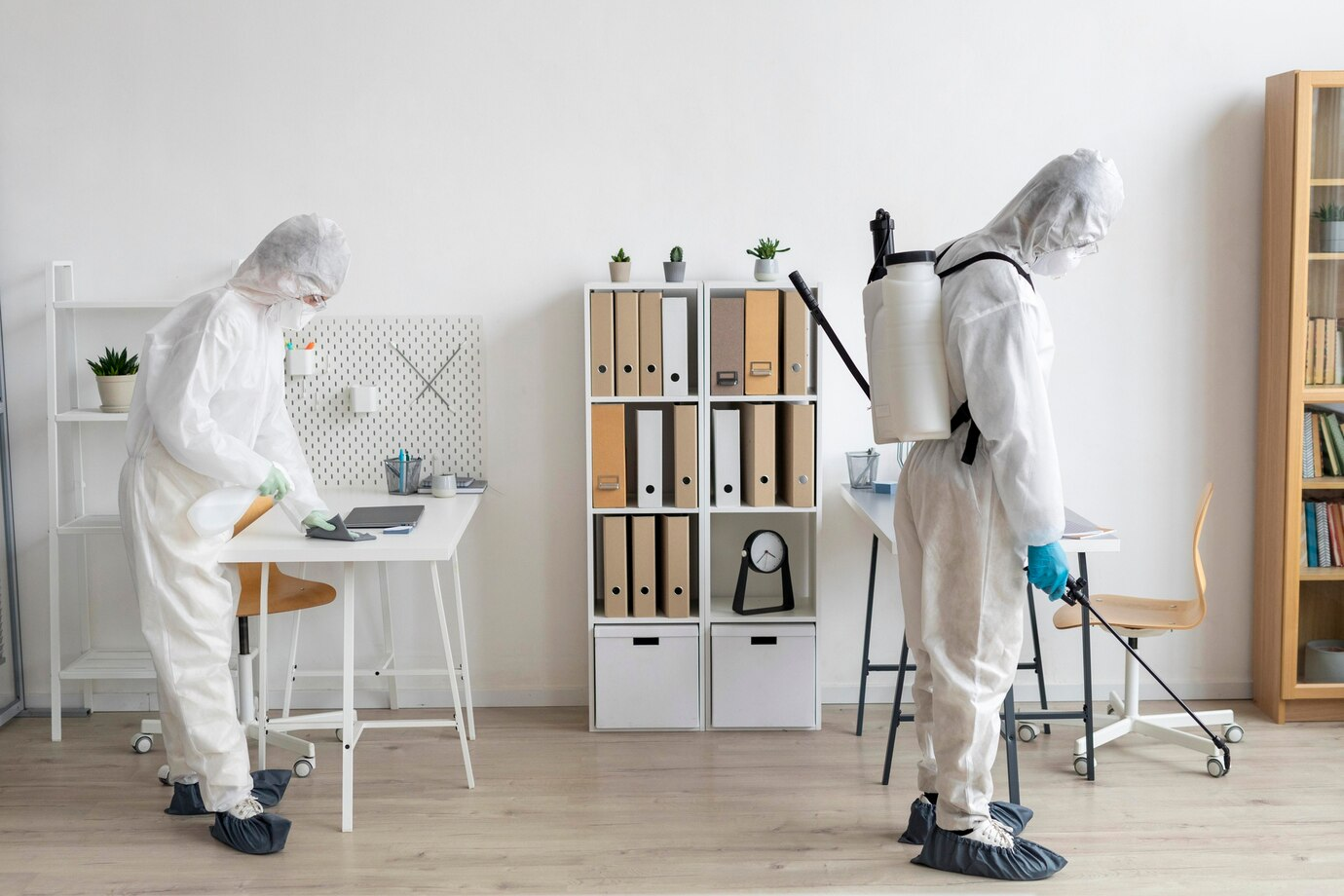
Itchy patches, red bumps, or an eczema flare-up that started right after you moved into a new BTO or freshly renovated flat are often your skin reacting to chemicals in the air, not a coincidence. It is a less famous IAQ symptom than headaches or stinging eyes, but the pattern is consistent enough to spot, and the fix is the same.
The 60-second answer
Fresh built-in carpentry, new paint, and new flooring all release formaldehyde and other volatile organic compounds (VOCs, the family of chemicals that includes paint thinner smell, glue smell, and the sweet sharpness of new cabinets). These compounds dissolve into sweat and deposit onto bedsheets and clothes. Skin gets a steady low-dose contact for hours, especially overnight. Sensitive people break out first; with enough exposure, anyone can.
The diagnostic clue is location-dependence. If the rash improves when you spend a day out of the flat and worsens after a night sleeping in the bedroom, the home is the trigger.
Why your skin reacts to the air
Your skin is a barrier, but not a perfect one. Two routes get chemicals from indoor air into the layer that itches:
- Through sweat. Singapore’s humidity keeps skin slightly damp most of the day. Formaldehyde dissolves in water, so the wet film on your skin pulls it out of the air and holds it against the surface. People who sweat more (after a workout, in a warm bedroom) get more of this.
- Through clothes and bedding. Air-borne VOCs settle onto fabrics. A pillow that spent the night in a high-VOC bedroom carries that load against your face, neck, and ears for the next 7 hours of sleep.
The skin’s response is the standard inflammatory one: redness, mild swelling, itch. Most people scratch, the skin gets more inflamed, and the cycle continues until either exposure stops or steroid cream forces it down.
The “covered skin” pattern
A telltale sign that the cause is environmental rather than a contact allergy: the rash shows up where clothes hold air against the skin.
- Back, chest, inner thighs, behind the knees. Where shirts and trousers trap warm, slightly damp air against the skin overnight.
- Neck, behind the ears, shoulders. Where the pillow contacts skin during sleep.
- Inside of forearms, sometimes the abdomen. Where bed sheets fold against skin.
A reaction to a specific cream, soap, or fabric softener tends to be on hands, face, or wherever the product physically touches. A reaction to airborne formaldehyde is more diffuse and concentrates on the covered skin that holds air against the body.
Who reacts first
Three groups react at lower exposure levels than average:
- Eczema sufferers. A skin barrier that is already compromised lets in chemicals that healthy skin would reject. Eczema flares in the first 4 to 8 weeks of moving into a new flat are common.
- People with chemical sensitivity (MCS). A small group, but the reactions are large. Often have other classical sensitivity symptoms (perfume, paint, fresh print) before this one.
- Children. Thinner skin, more surface area per body weight, less ability to communicate. A baby with a new diffuse rash on the back, chest, and trunk after moving into a new flat warrants a closer look at the bedroom air.
For most healthy adults, the threshold to react is higher, and people often dismiss the rash as “the change in weather” or “stress.” The location-pattern test is what cuts through this.
A 7-day diagnostic you can run
Before booking an air quality test, three days of weekend-vs-weekday data usually settles it:
- Log every flare-up for 7 days. Time, body area, severity (mild itch / red bumps / fluid weeping).
- Compare weekday-at-home with weekend-out-of-house. If weekends spent at family or out of the flat clear the rash by Monday morning, the home is the trigger.
- Run a sleep experiment. Two nights on the living-room sofa rather than the bedroom. If the rash is markedly better on those mornings, the bedroom air is the dominant source.
This is cheap, takes a week, and tells you whether to escalate to testing.
What to do this week
Three changes that often help within days:
- Wash and sun-air bedding for a full afternoon. Sheets, pillowcases, and mattress cover. VOCs deposited on fabrics come off in heat and sunlight, which gives the skin a break overnight.
- Sleep with bedroom door open and ceiling fan running. Cuts the overnight build-up of bedroom air.
- Switch to a cotton pillowcase if you are using polyester or microfibre. Synthetic fabrics hold VOCs and release them back during the night. Cotton holds less and releases faster during the daytime when you are not on it.
These help the skin while you decide whether to test or treat the underlying source.
When to escalate to treatment
Three triggers:
- Rash continuing past week 6 despite the bedding and ventilation changes. The source is releasing faster than your skin can recover.
- Children, pregnant women, or eczema sufferers in the household. Their threshold is lower; the cumulative effect of weeks of mild flare adds up.
- Symptoms in more than one household member. Two people with rashes in the same flat is a stronger signal than one. Points hard at the environment.
For source-level treatment that drops indoor formaldehyde below WHO guidance within 24 hours, see the formaldehyde and TVOC removal page. For other symptoms that often appear alongside the rash: headaches in new BTOs and sore throat at home.
Sources
- World Health Organization. Guidelines for Indoor Air Quality: Selected Pollutants. WHO Regional Office for Europe, 2010.
- Mendell, M.J. Indoor residential chemical emissions as risk factors for respiratory and allergic effects in children. Indoor Air, 2007.
- ATSDR. Toxicological Profile for Formaldehyde. U.S. Department of Health and Human Services, 2017.
- Singapore Dermatological Society. Eczema and atopic dermatitis: indoor environmental triggers.
Frequently asked questions
How do I tell this from a food allergy or detergent reaction?
Three quick checks. First, did the rash start within 1 to 4 weeks of moving in? Second, does it improve when you spend a full day out of the house (work, weekend trip)? Third, is it on areas covered by clothes, especially the back, chest, and inner thighs where you sweat? Yes to two or more points to the new flat. Food and detergent rashes track to specific meals or laundry batches, not to your location.
Will antihistamines help?
They can take the edge off the itch for a few hours, but they do not fix the cause. The skin keeps reacting as long as the exposure continues. Use them for sleep if needed; do not use them as a long-term solution while the source is still in the room.
Can formaldehyde really get to my skin?
Yes, in two ways. It dissolves in sweat (skin is wet, especially in Singapore's humidity), and it deposits onto bedsheets and clothes from the bedroom air. Both routes give the skin steady contact with low-level formaldehyde for hours. People with eczema or sensitive skin react first; otherwise-clear skin can also flare with high enough exposure.
Will it go away on its own?
Yes, but slowly. Most skin reactions to indoor VOCs improve within 2 to 4 weeks of the exposure dropping. If the source is still emitting heavily (new built-ins, fresh paint), the rash holds on or comes and goes. Treating the source is faster than waiting for it to fade.
Should I see a dermatologist first?
If the rash is severe, blistering, or spreading, yes, get a clinical look to rule out infection, drug reaction, or contact allergy to a specific product. Bring your move-in date and the location pattern (better at work, worse at home). If the dermatologist finds no clear medical cause, an air quality test gives you the data to close the loop.
Related Articles

Worried About Your Indoor Air Quality?
Get a free site inspection and air quality assessment. We'll show you exactly what's in your air — and how to fix it.