Why Am I Dizzy in My New Flat? Indoor Air and Light-Headedness
27 June 2026 · 3 min read
Dizziness or lightheadedness that started after moving into a new BTO or condo is often caused by elevated formaldehyde, TVOCs, and bedroom CO2. Here is the diagnostic.
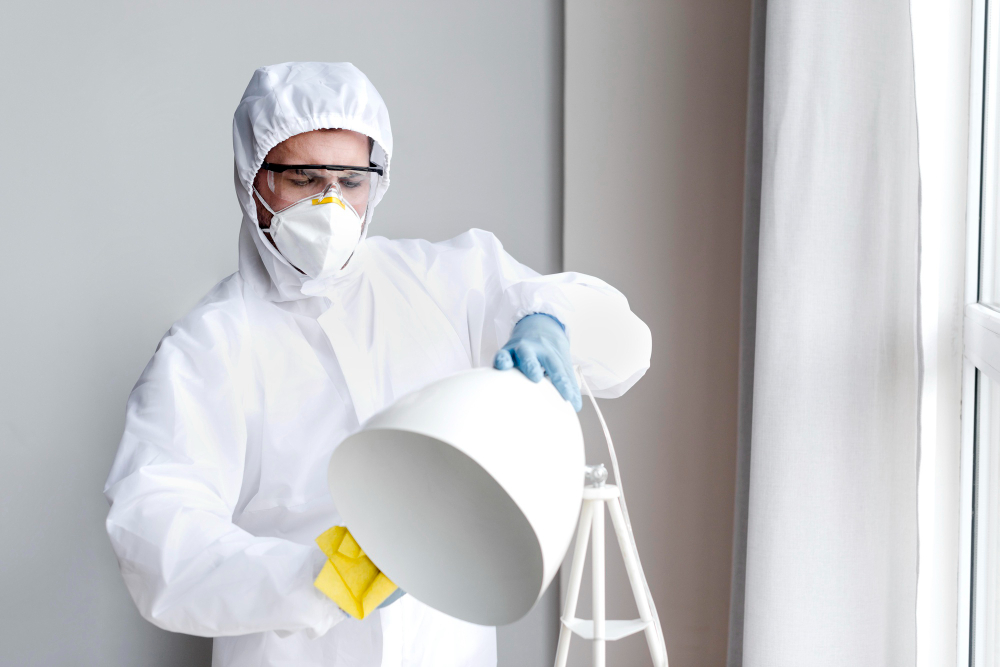
TL;DR: Lightheadedness and dizziness that started after moving into a new BTO or freshly renovated flat is often caused by elevated indoor formaldehyde, TVOCs, and CO2. The pattern is location-dependent (worst at home, eases outdoors) and resolves with ventilation plus source-level VOC removal.
The 60-second answer
Two mechanisms drive indoor-air dizziness:
- Trigeminal nerve irritation. Formaldehyde and other VOCs irritate sensory nerve endings in the nasal cavity and upper airway. The trigeminal system links closely to brainstem balance pathways, and chronic irritation produces a heavy-headed, off-balance feeling.
- CO2 accumulation in sealed bedrooms. Singapore aircon-on, windows-shut overnight bedrooms see CO2 climb to 1500 to 2500 ppm by morning. Mild oxygen displacement at these levels produces standing-up dizziness in sensitive people.
Both effects peak at the same time: the moment you wake up. Many clients describe getting out of bed in their new flat and feeling unsteady for the first hour, then improving once they leave for work.
The diagnostic clue: location pattern
Dizziness from medical causes (BPPV, vestibular neuritis, low blood pressure, anaemia, dehydration, medications) is constant or triggered by specific movements. Dizziness from indoor air follows the place:
- Worst on waking in the bedroom
- Eases within 30 to 90 minutes of being outdoors
- Returns 30 to 90 minutes after coming home
- Better on weekends spent out of the flat
- Worse during humid, hot afternoons when VOC release peaks
If two or more match, the home environment is the strongest hypothesis after a clean medical workup.
Why this is more common in newly renovated Singapore flats
Three local factors:
- Heavy built-in carpentry per square metre. New BTOs and condos pack 30 to 50 m² of MDF and blockboard surfaces into 80 to 120 m² of floor area. Air volume per VOC source is small.
- Year-round aircon-with-windows-shut sleep. Cumulative VOC and CO2 accumulation overnight is the worst window of the day for exposure.
- Tropical heat accelerates emission. Formaldehyde release roughly doubles for every 7°C rise in temperature. Singapore bedrooms in late afternoon emit at 2 to 4x the rate of European safety-test conditions.
What to try this week
Three free changes that often help within 3 to 5 nights:
- Crack a bedroom window 1 to 2 cm all night. Drops CO2 from 1500-2500 ppm to 700-900 ppm. The single highest-impact change.
- Run a small fan on low overnight. Reduces the high-concentration VOC boundary layer near your face.
- Move your face away from the built-in wardrobe. Cabinet interiors are 5 to 10x bedroom-air formaldehyde levels. Sleeping with your head near the wardrobe means a higher local exposure.
If morning dizziness eases noticeably with these changes, the home environment is the confirmed cause and you can plan a longer-term fix.
When to escalate
Three triggers for testing rather than continuing to wait:
- Dizziness persists past 2 weeks despite ventilation changes and a clean medical workup
- Vulnerable household members: pregnant residents (first-trimester especially), elderly with respiratory or cardiovascular conditions, anyone with existing vestibular sensitivity
- Multiple symptoms together: dizziness plus headaches, fatigue, brain fog, or scratchy throat. Multi-symptom pattern is the strongest diagnostic of elevated indoor pollutants
For source-level treatment that addresses the underlying VOC emission, see formaldehyde removal services. For related symptoms that often appear alongside dizziness: headaches in new BTOs, brain fog, and constant fatigue.
Sources
- World Health Organization. Guidelines for Indoor Air Quality: Selected Pollutants. WHO Regional Office for Europe, 2010.
- ATSDR. Toxicological Profile for Formaldehyde. U.S. Department of Health and Human Services, 2017.
- Wolkoff, P., Nielsen, G.D. Non-cancer effects of formaldehyde and relevance for setting an indoor air guideline. Environment International, 2010.
- Satish, U. et al. Is CO2 an Indoor Pollutant? Direct Effects of Low-to-Moderate CO2 Concentrations on Human Decision-Making Performance. Environmental Health Perspectives, 2012.
Frequently asked questions
Can indoor air really cause dizziness?
Yes, at moderate-to-high formaldehyde and TVOC levels common in newly renovated Singapore flats. Dizziness from indoor air is a documented short-term effect at sustained exposures above 0.3 mg/m3 formaldehyde, with increased frequency in pregnant women, elderly residents, and people with vestibular sensitivity. The mechanism is partly trigeminal nerve irritation and partly mild oxygen displacement when bedroom CO2 climbs overnight.
How is this different from vertigo or BPPV?
True vertigo (BPPV, Meniere's) has a spinning quality and is triggered by head movement, not by being in a specific room. Indoor-air dizziness feels more like lightheadedness or off-balance with a heavy-headed quality, eases when you leave the flat, and returns 30 to 90 minutes after coming back. The location pattern is the diagnostic clue. If a clinical workup rules out vertigo and the location pattern holds, indoor air is the strongest remaining hypothesis.
Why is it worse in the morning?
Singapore bedrooms run aircon overnight with windows closed, so CO2 climbs from outdoor 420 ppm to 1500 to 2500 ppm by morning. Combined with peak formaldehyde levels (carpentry and mattress have been emitting all night with no air exchange), the wake-up moment is the highest-exposure point of the 24-hour cycle. Many clients report standing-up dizziness in the first hour after waking that resolves once they walk outside.
When should I see a doctor?
If dizziness has lasted more than a week, see a doctor regardless. Rule out vestibular causes (BPPV, vestibular neuritis), blood pressure issues, anaemia, dehydration, and medication side effects. Bring a record of when the dizziness started and whether it tracks to specific rooms or times. If the medical workup is clean and the location pattern fits, an indoor air quality test gives you objective data on whether VOCs are the trigger.
Is dizziness from formaldehyde dangerous?
The dizziness itself is a short-term irritation symptom and reverses once exposure ends. The underlying concern is sustained exposure: formaldehyde is a WHO IARC Group 1 carcinogen and chronic high-level exposure has long-term health effects. Dizziness is a useful warning signal that levels are well above WHO guidance and that ventilation changes or source-level treatment are warranted.
Will an air purifier help with dizziness?
Partly. A HEPA + activated carbon purifier can lower bedroom VOCs while running, which often reduces morning dizziness within 3 to 5 nights. It does not address CO2 build-up, which needs ventilation. The combination of a small overnight window crack plus a carbon-filter purifier in the bedroom is usually the fastest free intervention to test.
Related Articles
Worried About Your Indoor Air Quality?
Get a free site inspection and air quality assessment. We'll show you exactly what's in your air — and how to fix it.