Mould or Formaldehyde? Telling Singapore's Two Air Problems Apart
29 May 2026 · 5 min read
Singapore homes have two common indoor air problems, and the symptoms overlap. Here is how to tell mould from formaldehyde, and what each needs.
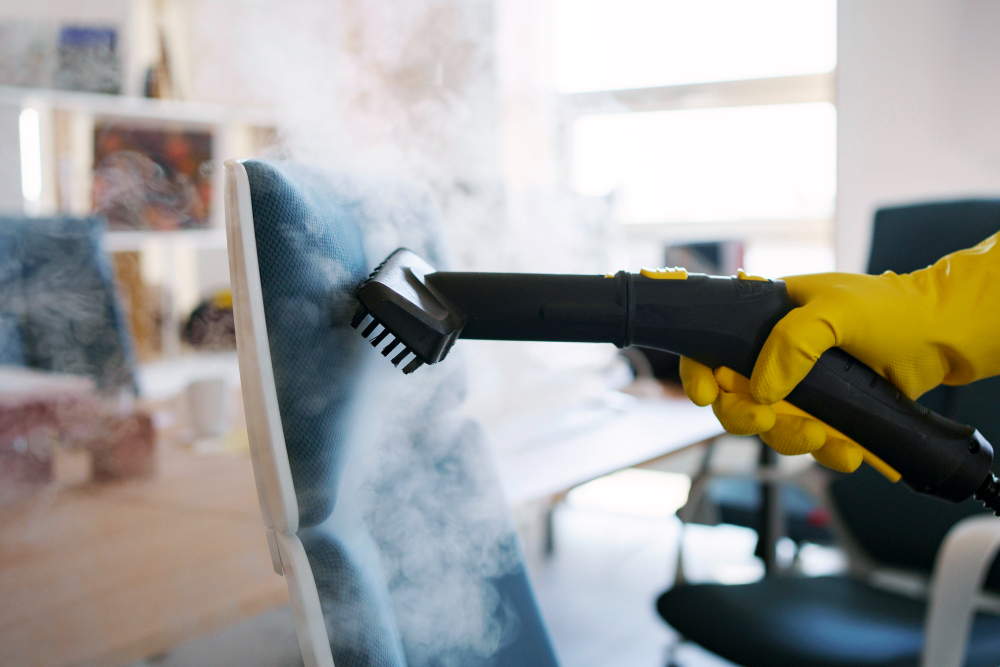
Singapore’s two most common indoor air problems are mould and formaldehyde, and they often get confused for each other. Both cause respiratory irritation, both worsen at night, both can flare up in similar rooms. The treatments are completely different. Spending S$1,500 on formaldehyde treatment when the real problem is mould is a frustrating mistake. Here is how to tell them apart.
The 60-second answer
Mould smells musty and earthy. It grows in damp spots: bathrooms, behind cabinets against external walls, inside air-con units, under sinks. It causes runny nose, sneezing, sinus pressure, occasional skin reactions. The fix is removing the source of moisture and physically removing the mould.
Formaldehyde smells sharp and slightly sweet. It comes from new carpentry, paint, mattresses, and adhesives. It causes eye stinging, sore throat, headaches, and persistent unease in new flats. The fix is reducing source emission via ventilation, source-level treatment, or replacement.
Many Singapore flats have both at low levels. A diagnosis-first approach saves time and money compared with treating blindly.
Smell signature
The first clue is the smell itself, if you can isolate it.
Mould smells like:
- Old wet cardboard
- A neglected basement
- A musty closet that has not been opened in months
- Damp earth, slightly fermented
The smell is often strongest in bathrooms, near aircon vents, and in storage rooms. It can be intermittent, present after rain, less so on dry days.
Formaldehyde smells like:
- Sweet, sharp, slightly pickle-like
- The “new car” smell or the “new IKEA” smell
- A solvent or paint-can smell, but milder
Strongest in new bedrooms with built-in carpentry, when opening wardrobes and drawers, and right after closing the flat for the day. Persistent rather than intermittent, present every time you walk back into a closed bedroom.
If you can identify the smell as one or the other, you have most of the diagnosis.
Where each one shows up
Different rooms favour different problems.
Mould-prone spots in a typical Singapore flat
- Inside the bathroom. Grout, silicone seals, ceiling near the showerhead.
- Inside the air-con blower unit. Black or pink slime on fins, in the drainage tray, in the air outlet.
- Behind built-in cabinets against external walls. Cool wall + warm humid room + no airflow = condensation = mould.
- Under kitchen sinks. Slow leaks from drain pipes accumulate.
- Window frames and edges. Especially if the window is rarely opened.
- Behind heavy furniture against walls. Beds, sofas with no airflow gap.
Formaldehyde-prone spots
- Inside built-in wardrobes. Especially less than 12 months old.
- Bedrooms with fresh paint. Especially the first 4 to 8 weeks.
- The mattress itself. Foam mattresses, less than 6 months old.
- Newly carpeted or laminate floors. First 2 to 4 months.
- Children’s rooms with new wallpaper. First 2 to 6 weeks.
If your symptoms track to bathrooms and aircon vents, think mould. If they track to bedrooms and cabinets, think formaldehyde.
Symptom signature
Both problems cause respiratory and irritation symptoms, but the patterns differ.
Mould symptoms
- Runny nose with thin clear mucus
- Sneezing fits, often clustered (5 to 10 in a row)
- Sinus pressure across the forehead and cheekbones
- Mild fatigue
- Occasional skin reactions (red patches, itchy on hands)
- Worse in damp weeks
- Often accompanied by visible mould (black or green spots) somewhere
Formaldehyde symptoms
- Sharp burning in nose and back of throat
- Eye stinging, especially when opening cabinets
- Tension or pressure headache, often morning
- Scratchy throat that resolves at work
- Chemical or sweet smell rather than musty
- Worse in hot afternoons or after a sealed-up night
- Often accompanied by other people in the household having similar symptoms (the air affects everyone, just at different thresholds)
If most of your symptoms are sneezing/runny nose without burning or stinging, lean toward mould. If most are burning/stinging without sinus pressure, lean toward formaldehyde.
What if you cannot tell?
Three diagnostic moves:
- Walk through with a torch. Mould is usually visible somewhere, a corner, a vent, a grout line. If you find any, that is one of the problems.
- Smell test in a sealed bedroom at 7am. First thing in the morning, before opening windows. Sweet/sharp = formaldehyde. Musty = mould. Both = both.
- Run a 7-day symptom log. If symptoms cluster after rain, mould is likely. If symptoms cluster on hot days, formaldehyde is likely. If both, treat both.
If you are still unsure after these, a professional walk-through plus testing settles it. Most Singapore IAQ providers can rule mould in or out during the same visit as a formaldehyde test.
How the treatments differ
Mould treatment, in order of severity:
- Surface cleaning with fungicidal cleaner. For visible mould under 0.5 m² on non-porous surfaces. DIY-able.
- Source remediation. Find and fix the moisture source: leak repair, aircon servicing, ventilation behind cabinets. Usually requires opening up to inspect.
- Mould remediation specialist. For concealed mould or large areas. Singapore market rate S$800 to S$3,000 depending on area and complexity.
- Reduce humidity. Dehumidifier in bedrooms, bathroom exhaust fan use, drying laundry outside.
Formaldehyde treatment, in order of severity:
- Ventilation. Free, slow, often insufficient for new flats.
- Activated carbon air purifier. Adjunct, useful for short-term mitigation.
- Source-level treatment. Catalyst on cabinet interiors plus photocatalytic coating on walls. One working day for a 4-room HDB. Drops emissions 70 to 90 percent.
- Material replacement. For severe cases, removing the worst-emission carpentry. Rare; treatment usually wins.
The two paths share little except diagnosis. Treating the wrong one wastes the money.
When you have both
A common Singapore pattern: a 2-year-old flat where the formaldehyde has dropped from peak but is still present, AND mould has started to grow behind a built-in wardrobe. Symptoms are mixed: morning sneezing (mould) plus eye stinging when opening cabinets (formaldehyde).
Both need treatment. Sequence matters: fix the mould (source moisture + remove visible mould) first, because anything you do for formaldehyde while there is active mould growth will not address the half of the problem caused by spores. Then treat formaldehyde at the source. Both within a 4-week window keeps the household stable.
For formaldehyde testing and treatment, see the formaldehyde and TVOC removal page. For diagnosing what an IAQ test measures vs what other tests are needed, see the IAQ test guide. For the symptom guides: chemical smell that won’t go away, headaches in new BTO.
Sources
- World Health Organization. WHO guidelines for indoor air quality: dampness and mould, 2009.
- World Health Organization. Guidelines for Indoor Air Quality: Selected Pollutants. WHO Regional Office for Europe, 2010.
- Singapore Ministry of Health. Indoor mould management guidelines.
- U.S. EPA. Mould Course: Introduction to Mould Remediation.
Frequently asked questions
Can I have both mould and formaldehyde at the same time?
Yes, and it is fairly common in Singapore. A new flat with built-in carpentry that traps moisture against walls can develop mould within 12 to 24 months while still off-gassing formaldehyde. The two problems compound each other for symptoms; both need to be addressed.
What does mould smell like vs formaldehyde?
Mould smells musty, earthy, slightly damp, like an old basement or wet cardboard. Formaldehyde smells sharp, slightly sweet, sometimes pickle-like. Mould is more often noticed in bathrooms, behind cabinets, in air-con units, near leaks. Formaldehyde is more often noticed in bedrooms with new carpentry, when opening cabinets, and is strongest in the morning.
Where do I find mould in a Singapore flat?
The five most common spots: behind built-in cabinetry against external walls (condensation traps moisture), inside the air-con blower unit (always damp), under sinks (small leaks accumulate), grout in shower areas (warm and wet), behind beds against walls (if there is no airflow). A walk-through with a torch and your nose at these spots will usually find any visible mould within 10 minutes.
Do I need different tests for each?
Yes. Formaldehyde testing uses electrochemical sensors or DNPH cartridges. Mould testing uses surface swabs (visible spots) or air-particle sampling for fungal spores. They are different equipment and different lab processes. Some IAQ providers offer both as a package, others specialise in one.
Can I solve mould myself?
Surface mould on a small area (under 0.5 m² of wall) can usually be cleaned with a fungicidal cleaner (Concrobium, RMR-86, or diluted bleach for non-porous surfaces). Mould in concealed areas (inside cabinets, behind walls) needs source identification (the leak or moisture trap) and often professional remediation. Painting over mould without killing it is the most common Singapore mistake, it grows back in months.
Why is mould so common in Singapore?
Three reasons: high ambient humidity (60 to 80 percent indoor RH year-round), aircon condensate handling that often introduces moisture inside walls, and built-in cabinetry against external walls where temperature differentials cause condensation. The combination is a tropical climate moisture problem that temperate-climate guides do not fully address.
Related Articles



Worried About Your Indoor Air Quality?
Get a free site inspection and air quality assessment. We'll show you exactly what's in your air — and how to fix it.